For many years I have been exploring and documenting the Chernobyl exclusion zone, yet each visit around the Chernobyl Nuclear Power Plant has always left me with a sense of something amiss. Short trips only allow to see fleeting glimpses of a place suspended between past and present, brief journey through a post-apocalyptic landscape before returning to everyday life.
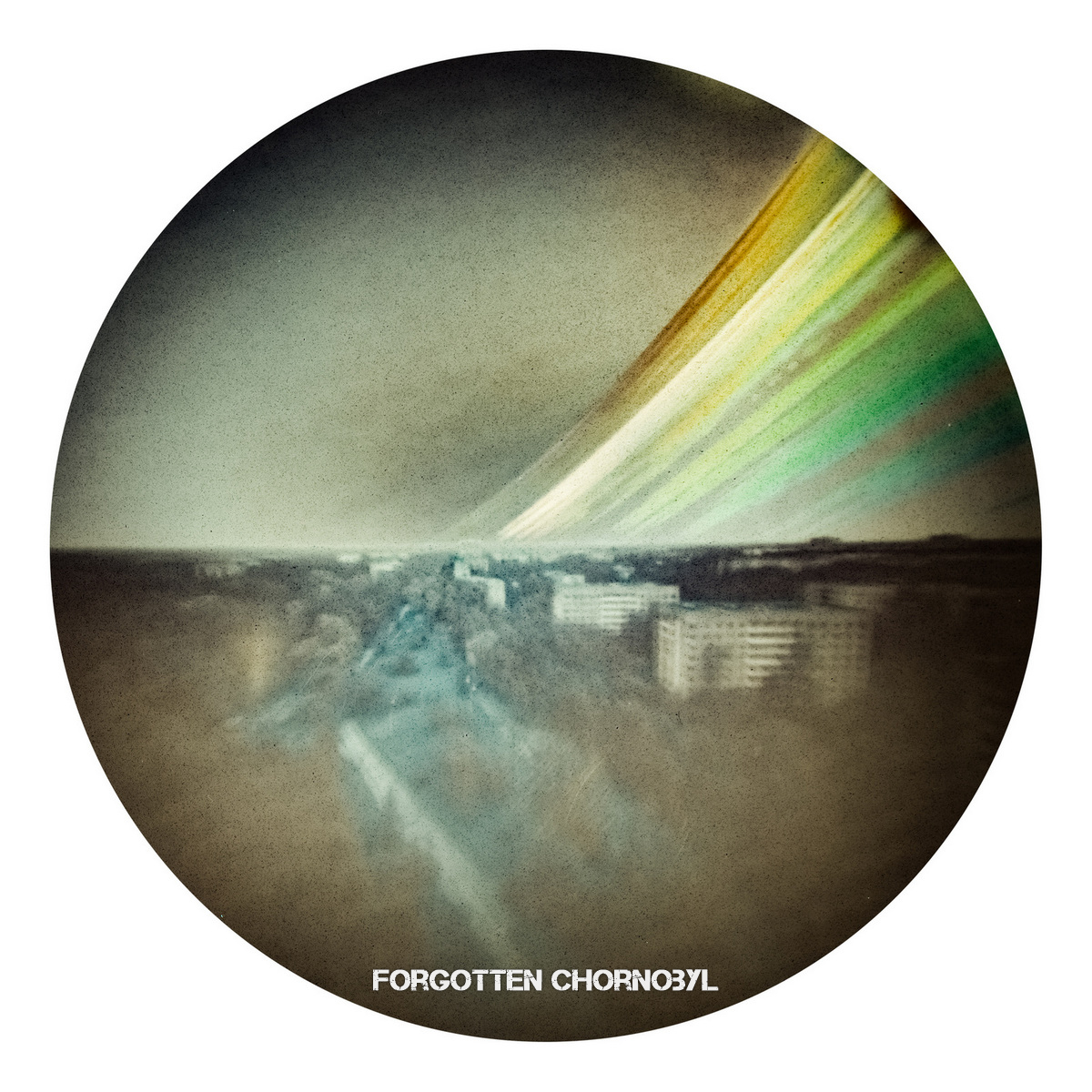
Meanwhile, at the heart of the largest nuclear disaster in history, life continues and the sun rises every morning. In Pripyat, once home to 50,000 people, nature thrives on the ruins of human arrogance and dreams of power. Trees emerge through rooftops and inside empty apartments, their roots breaking through the tarmac of abandoned streets. Vines climb concrete and steel, and a sea of green slowly consumes the dead city.
How does nature perceive time? What is an entire human life to a pine tree but a passing moment?
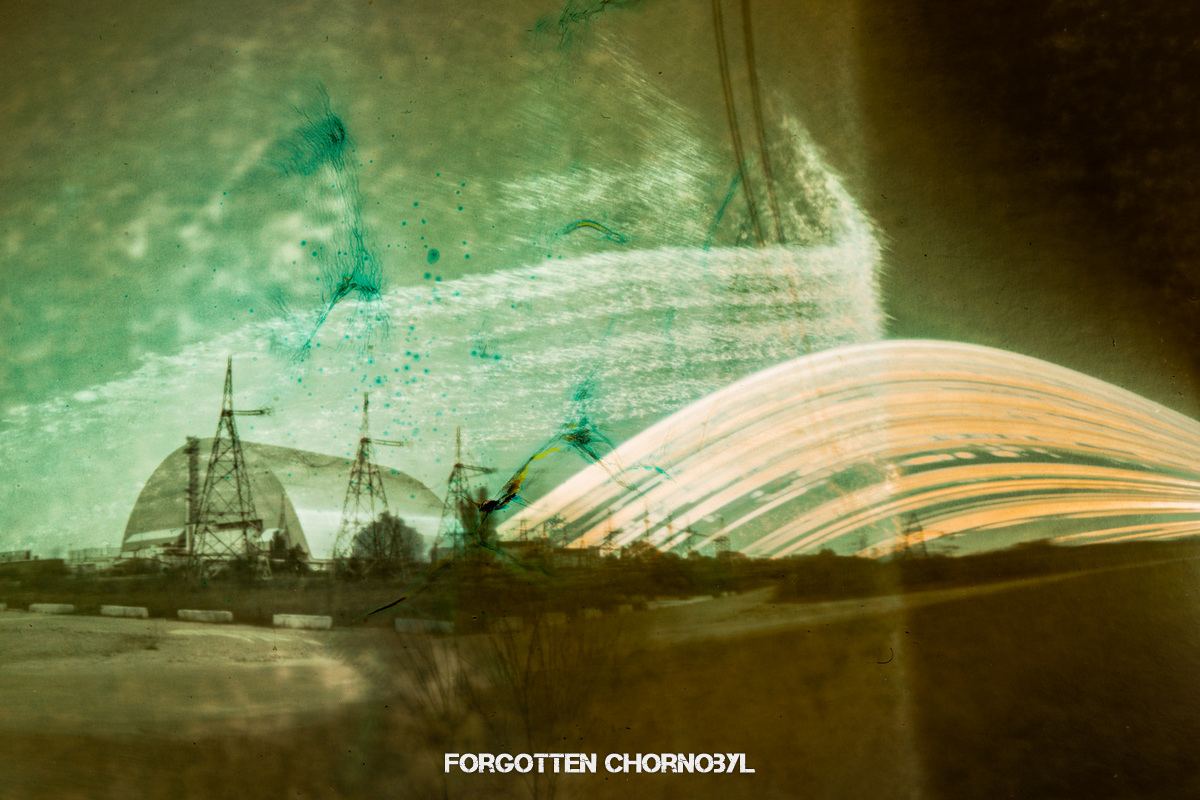
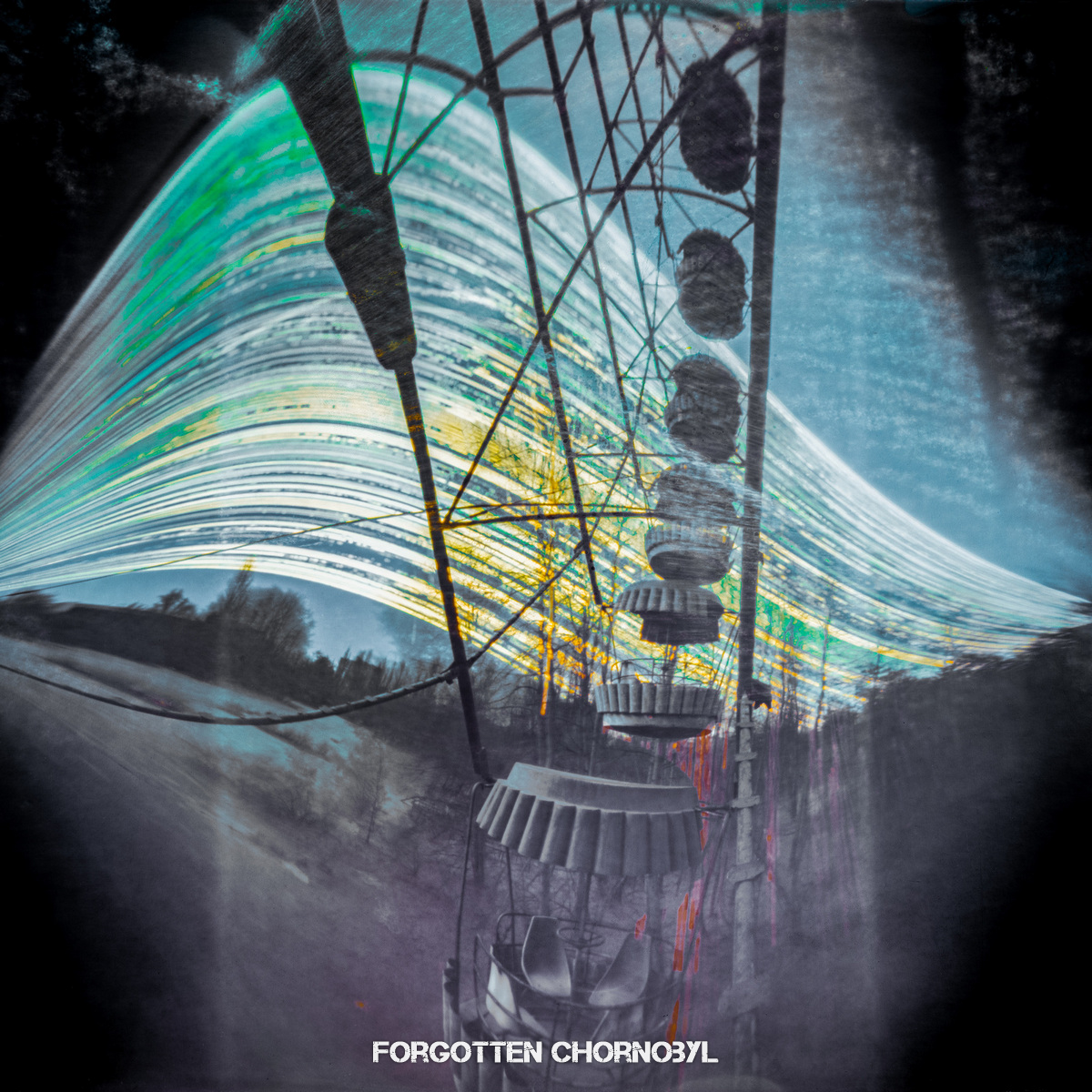
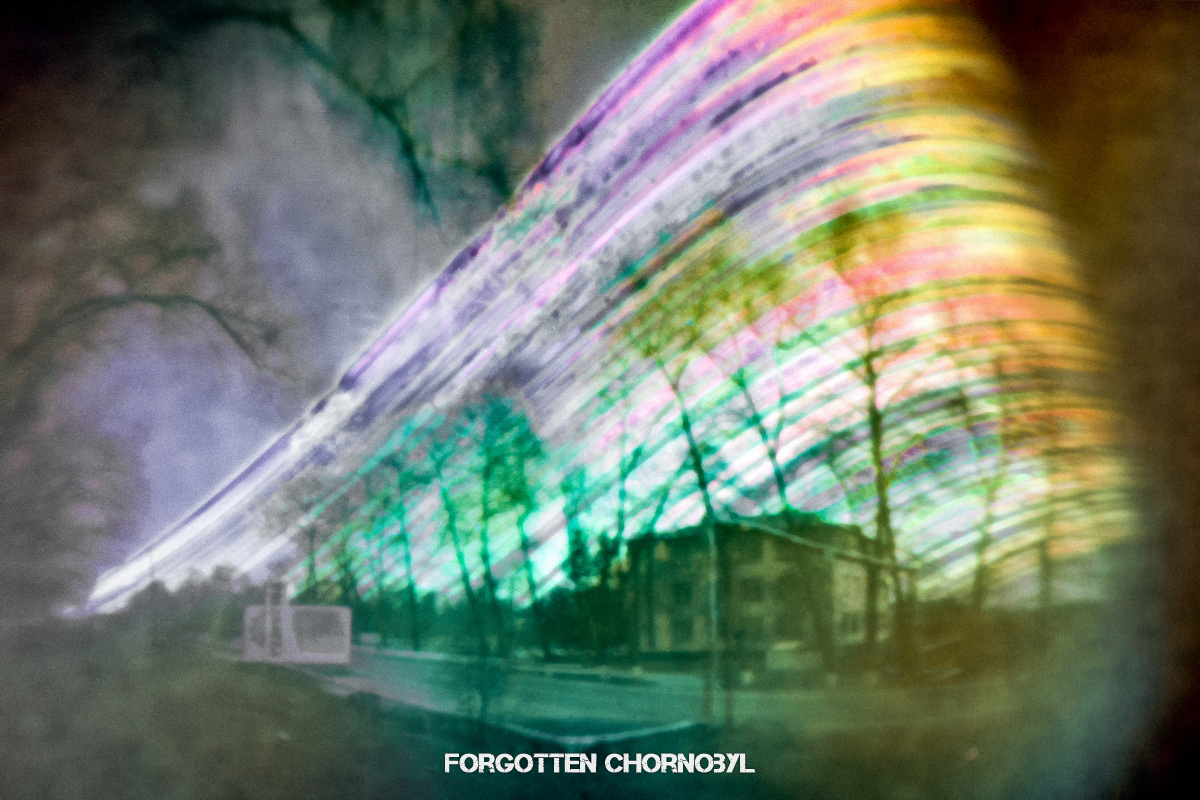
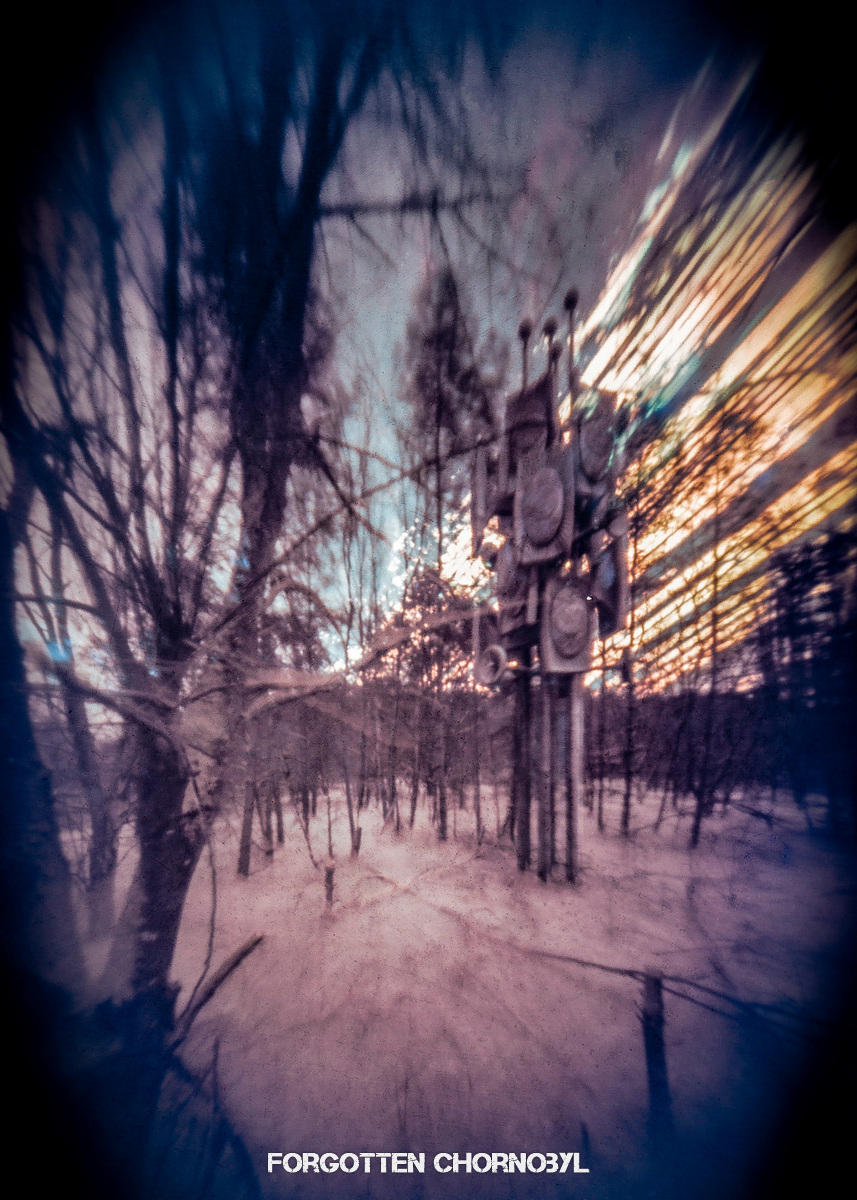
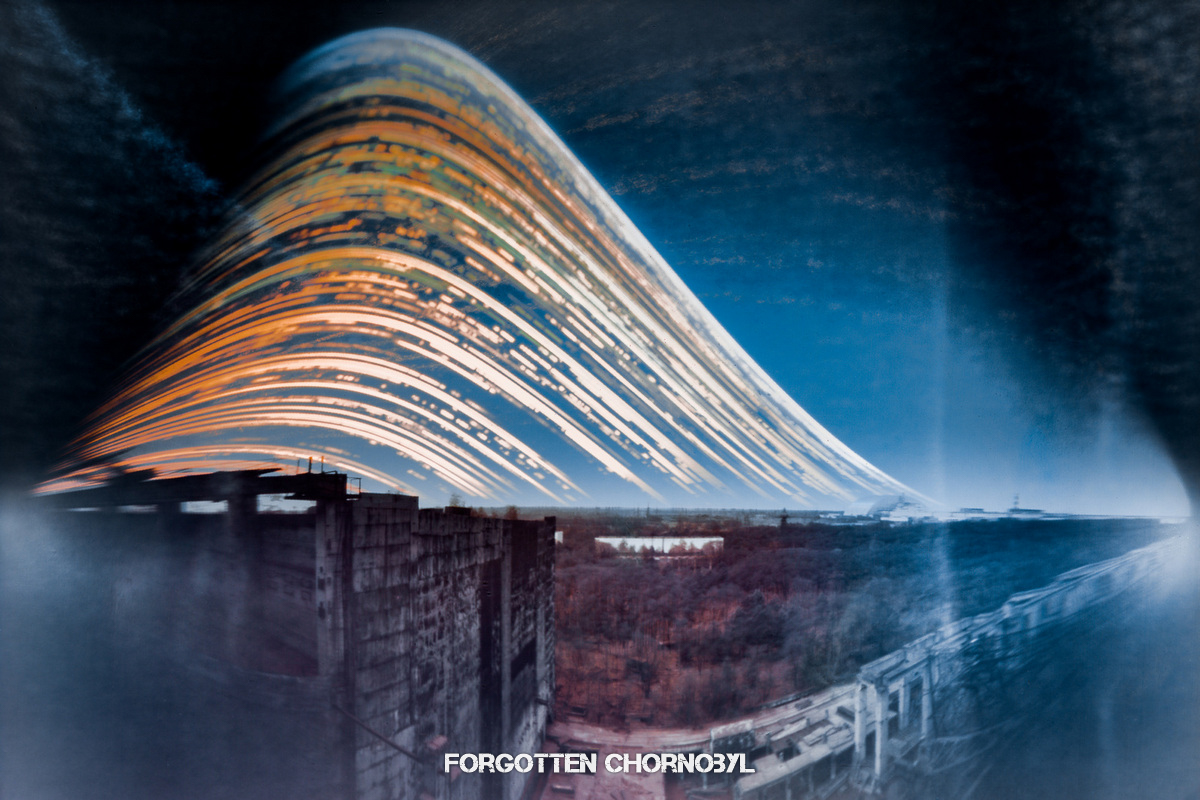
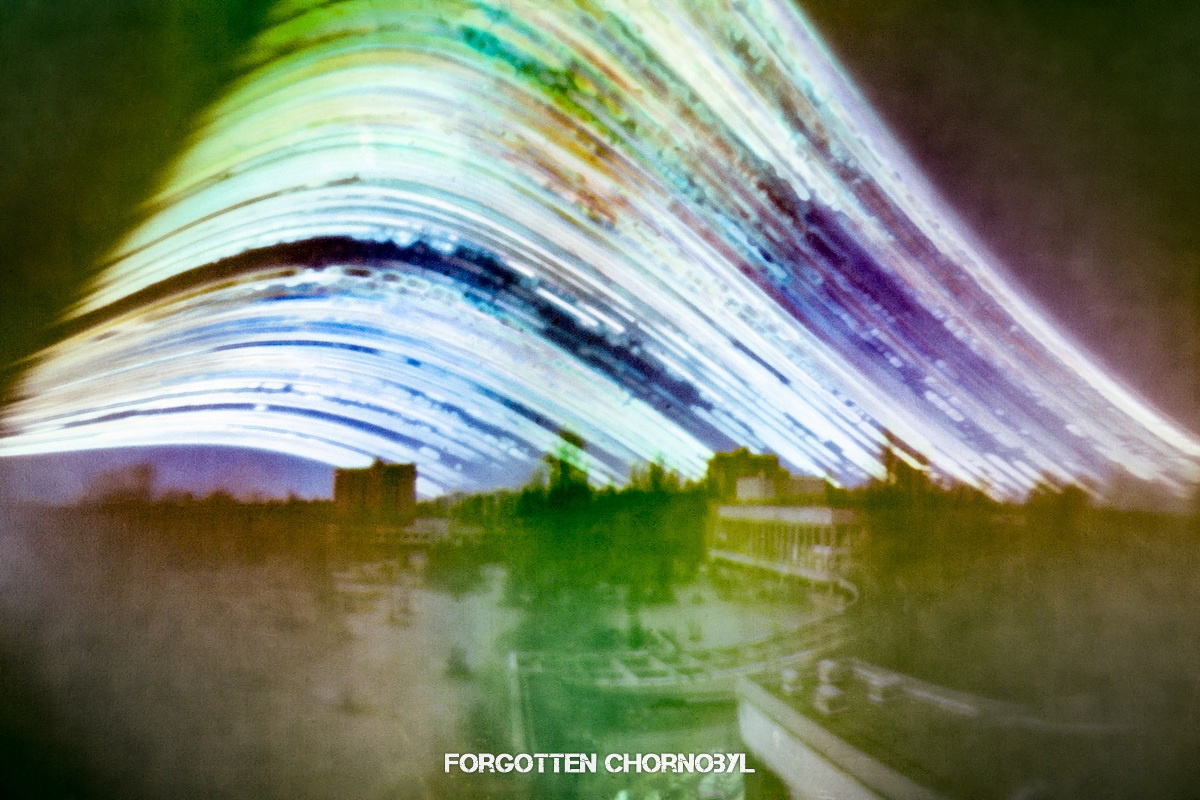
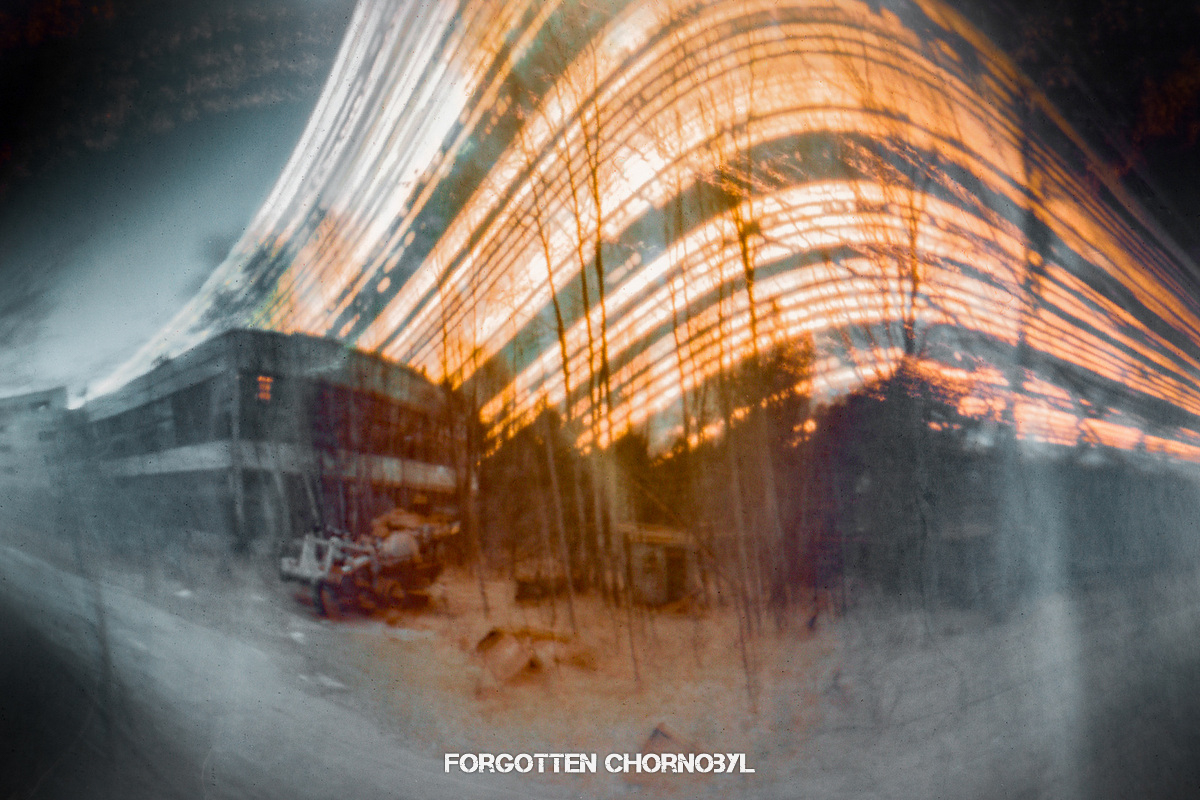
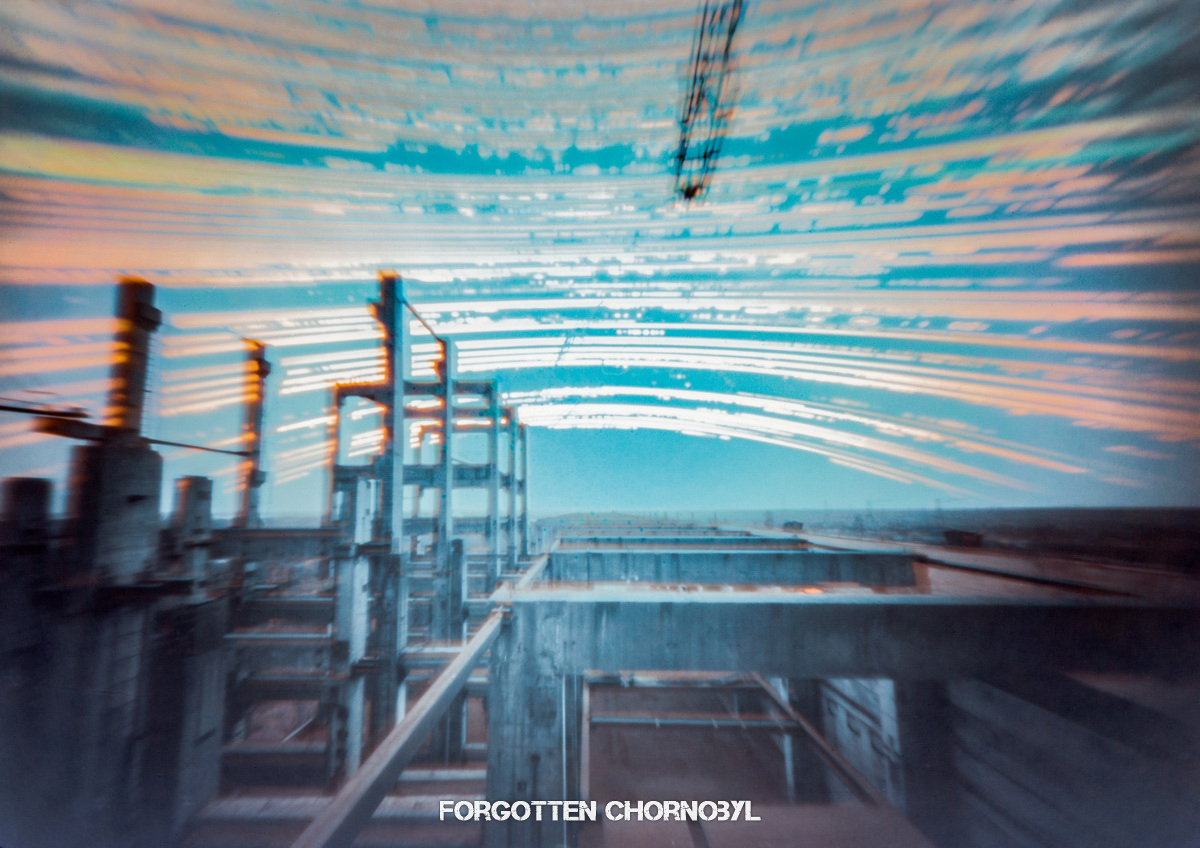
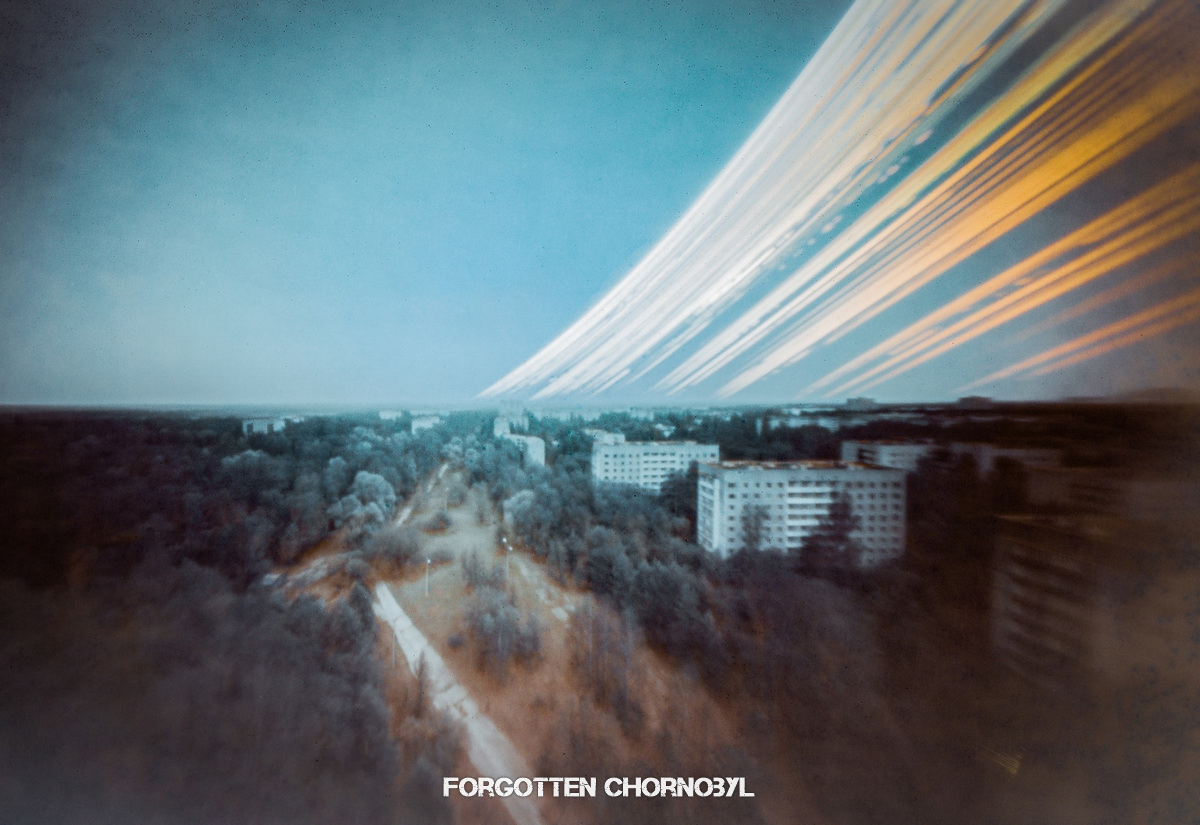
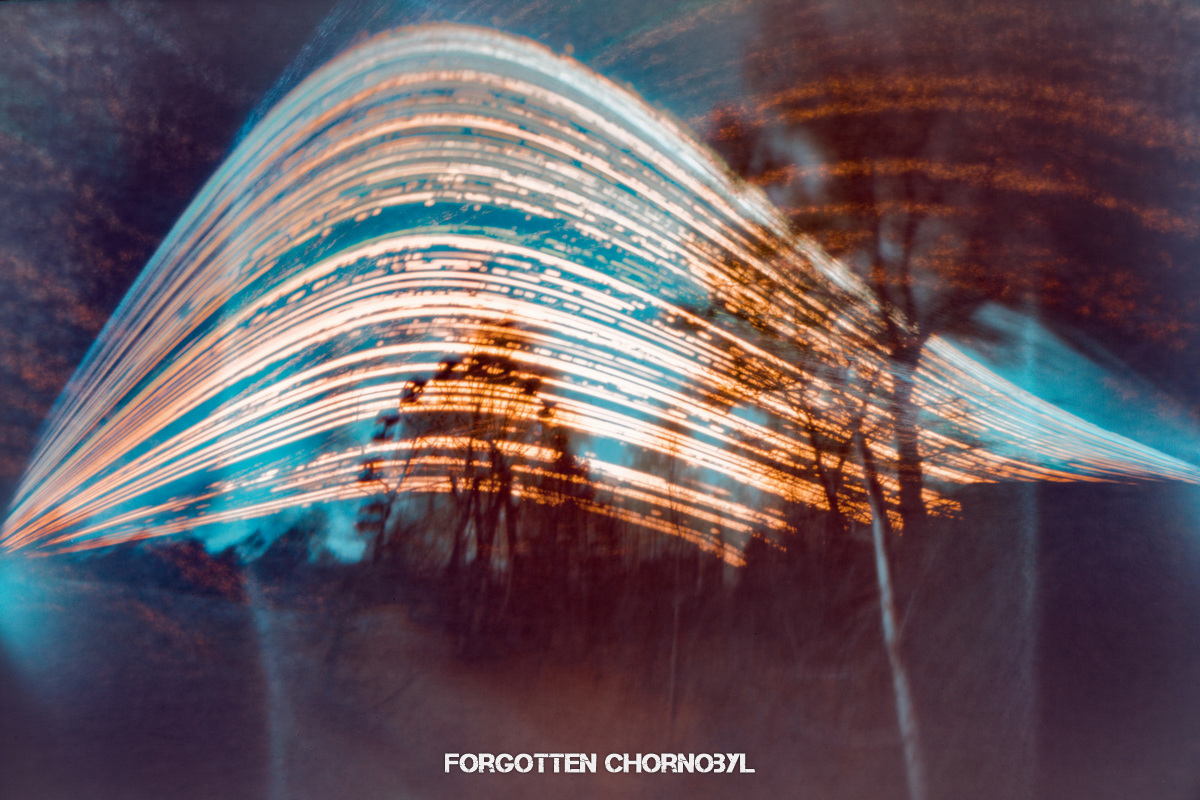
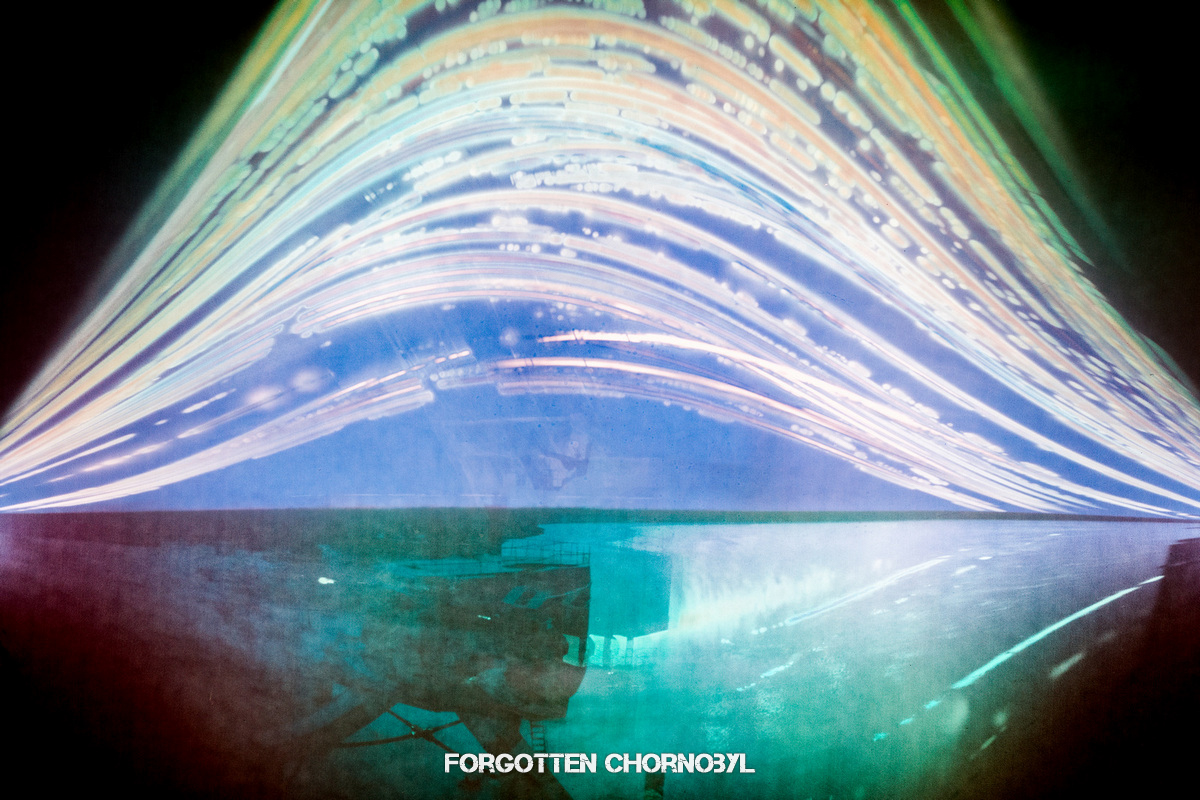
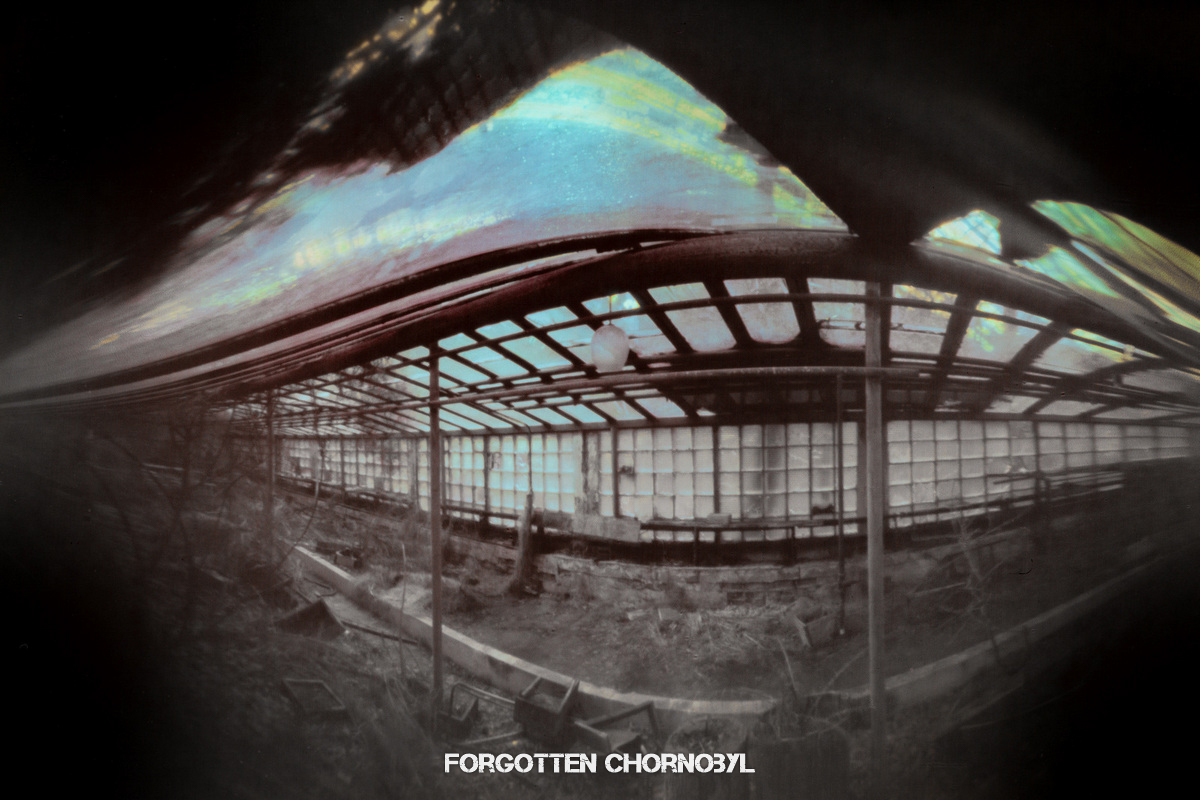
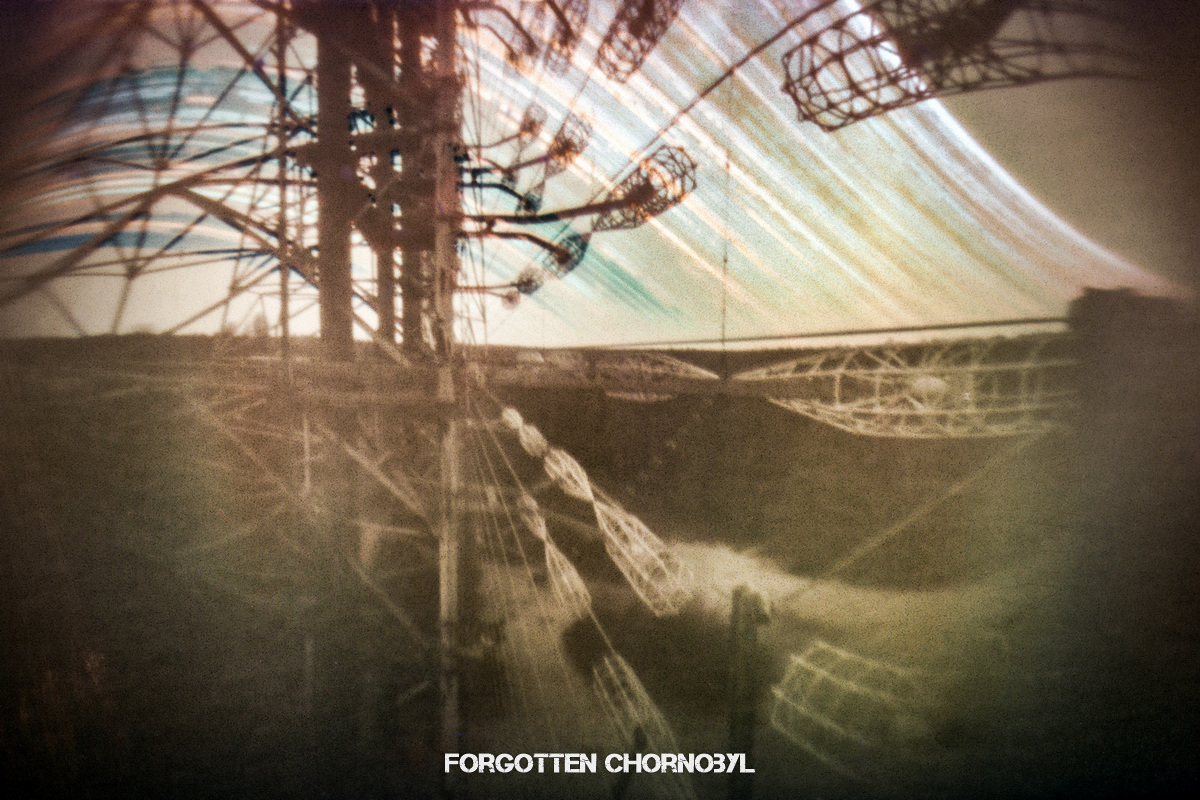
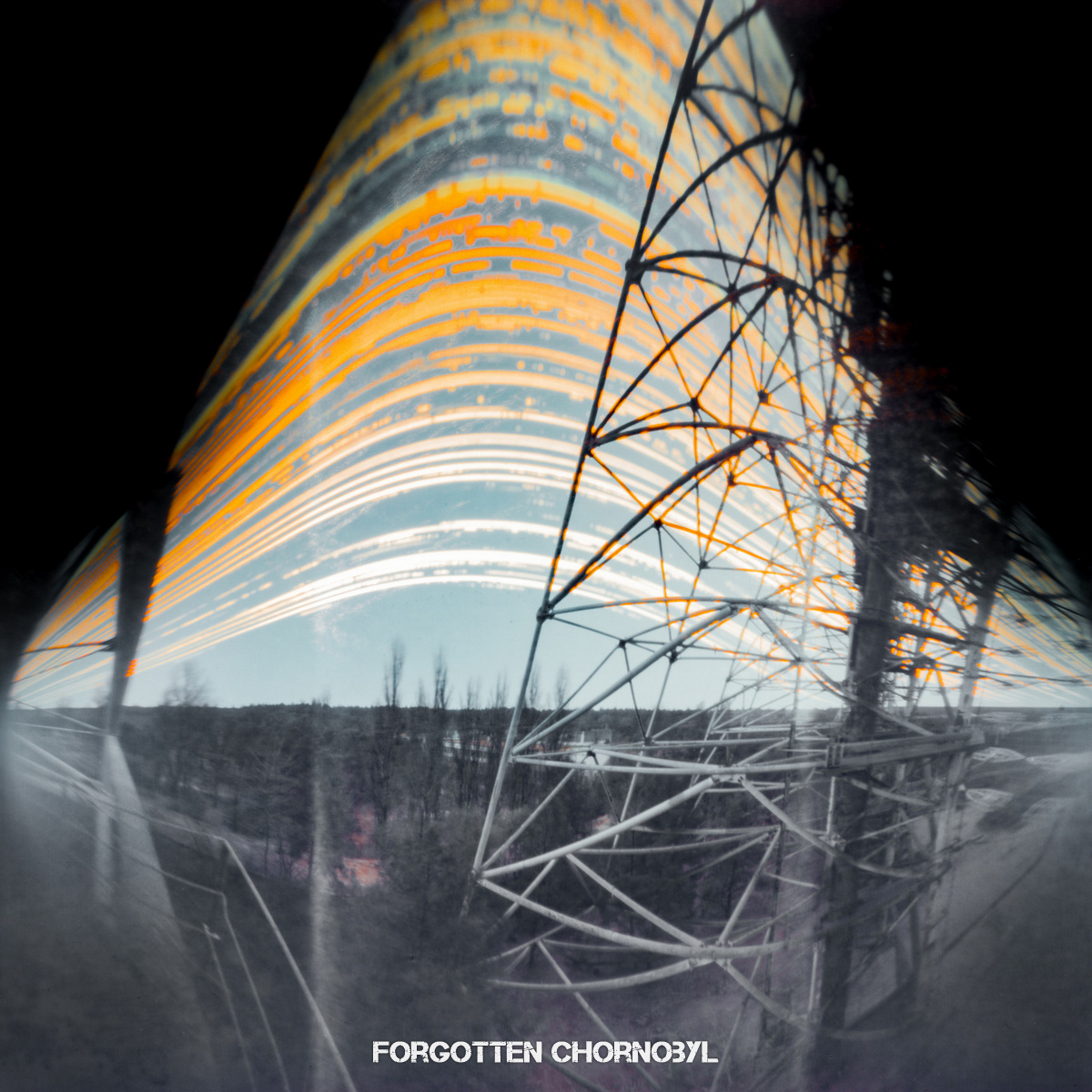
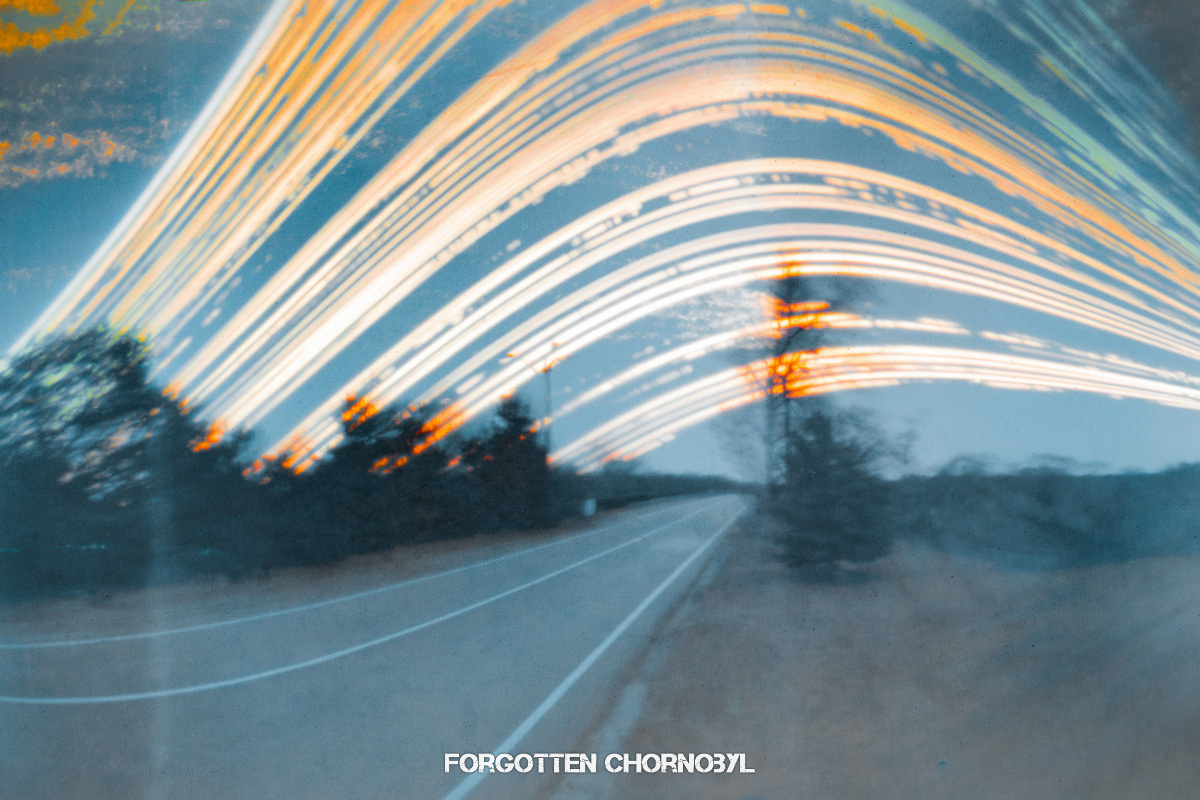
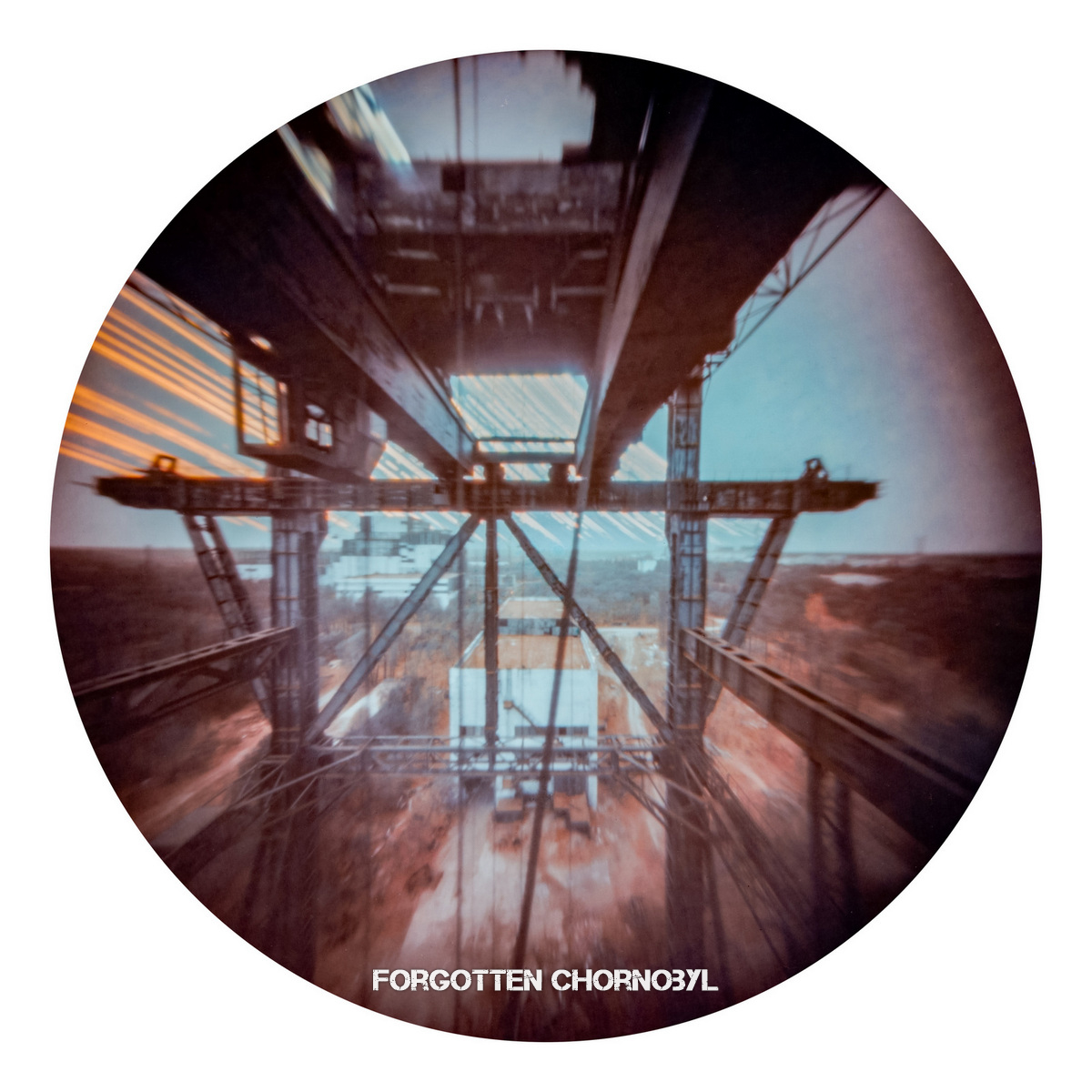
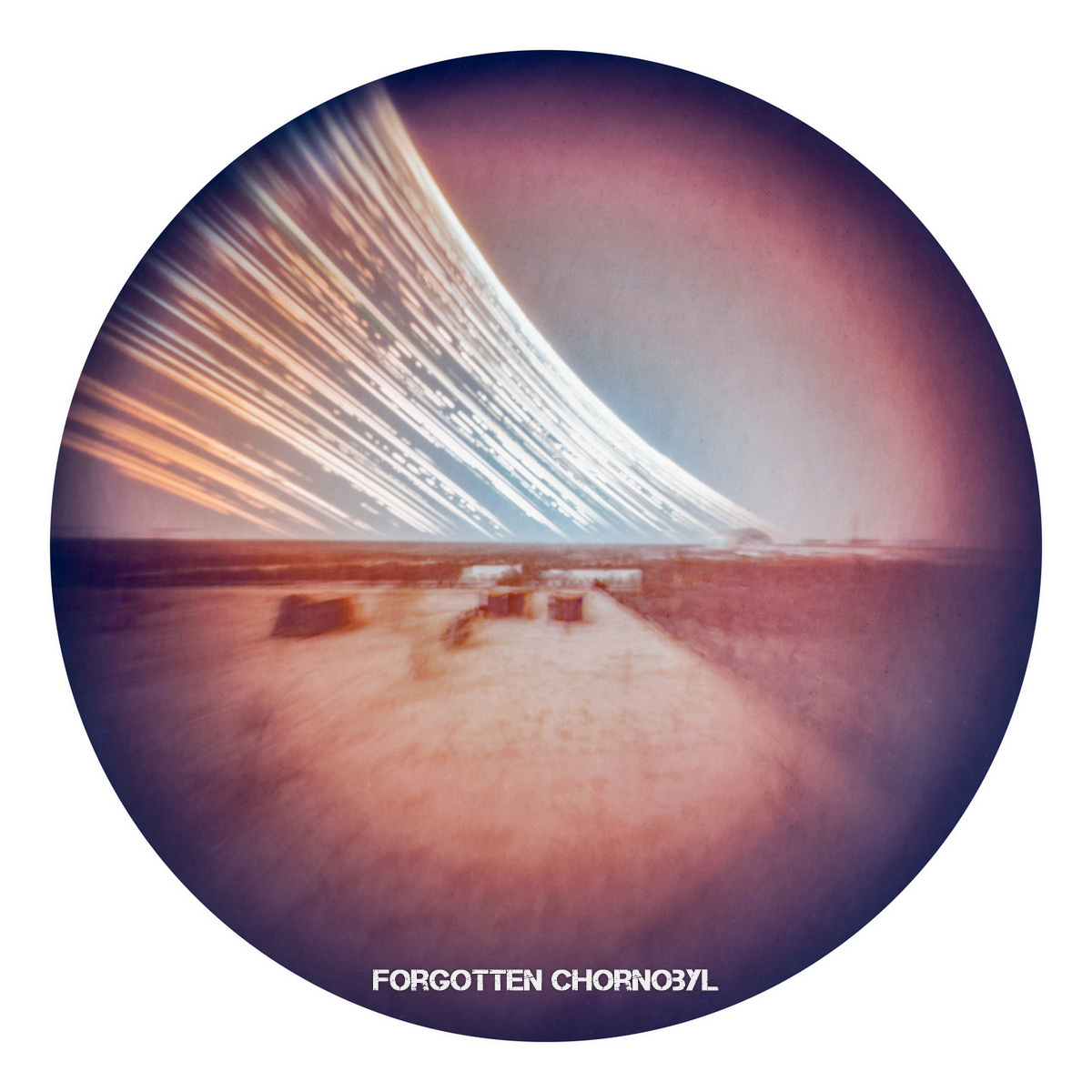
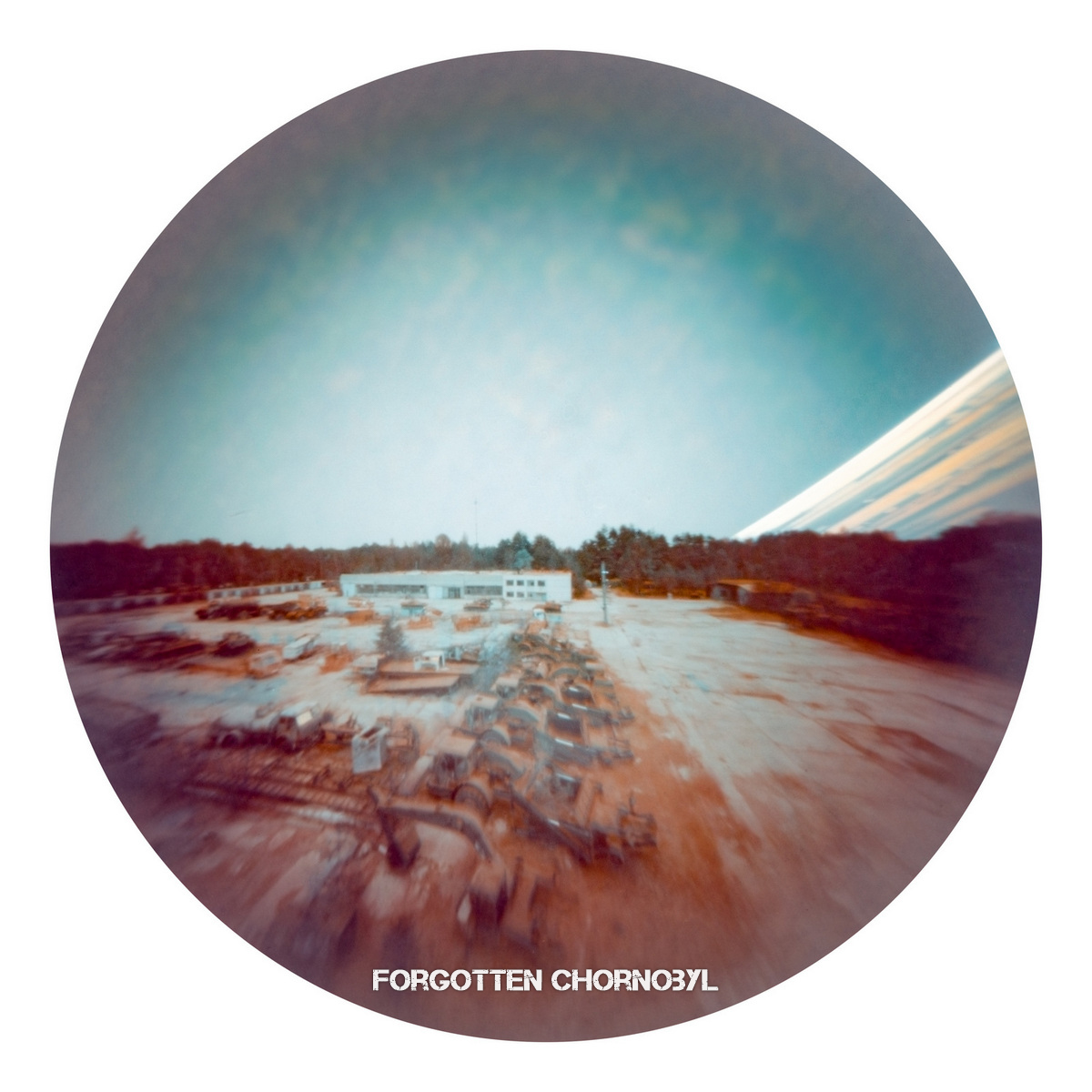
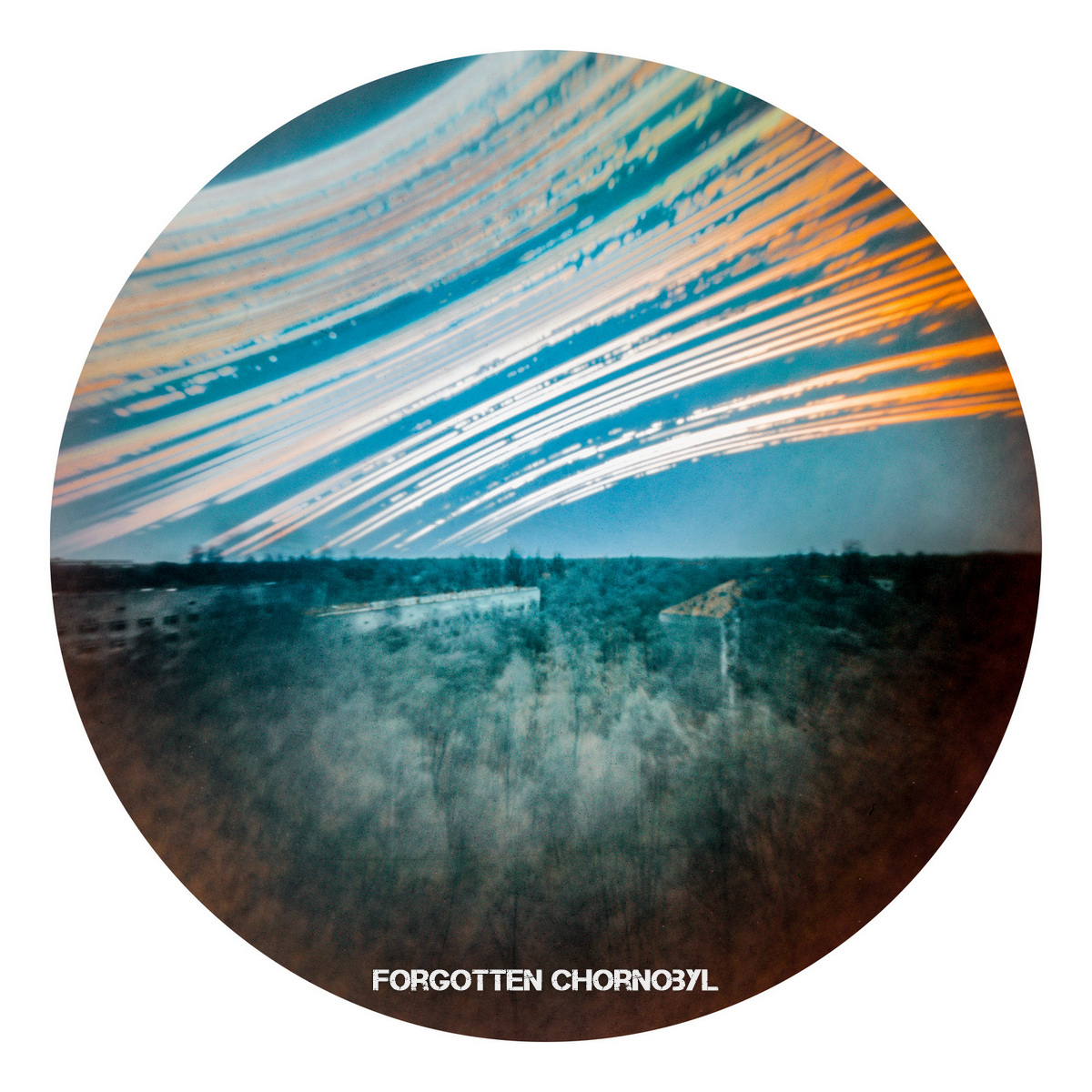
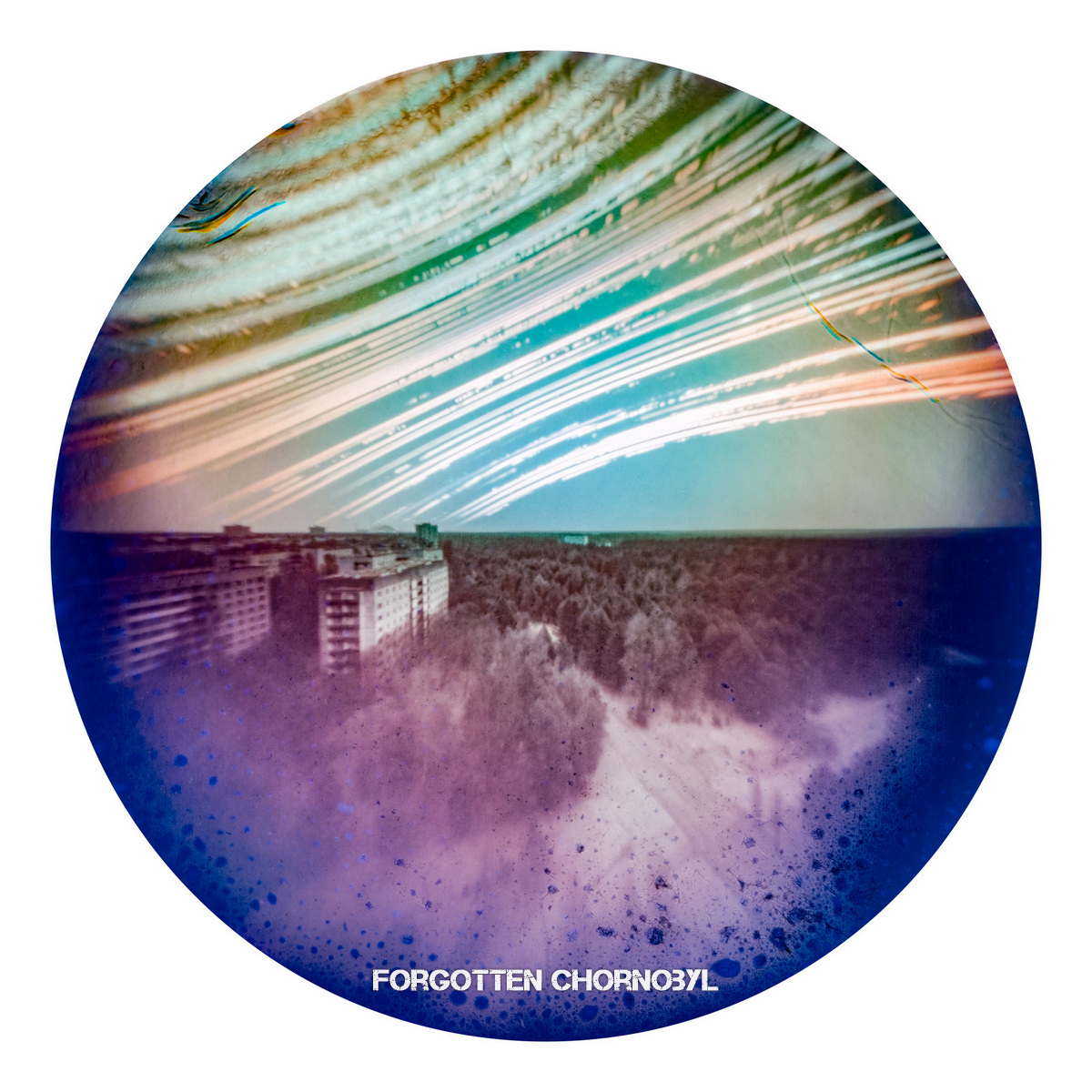
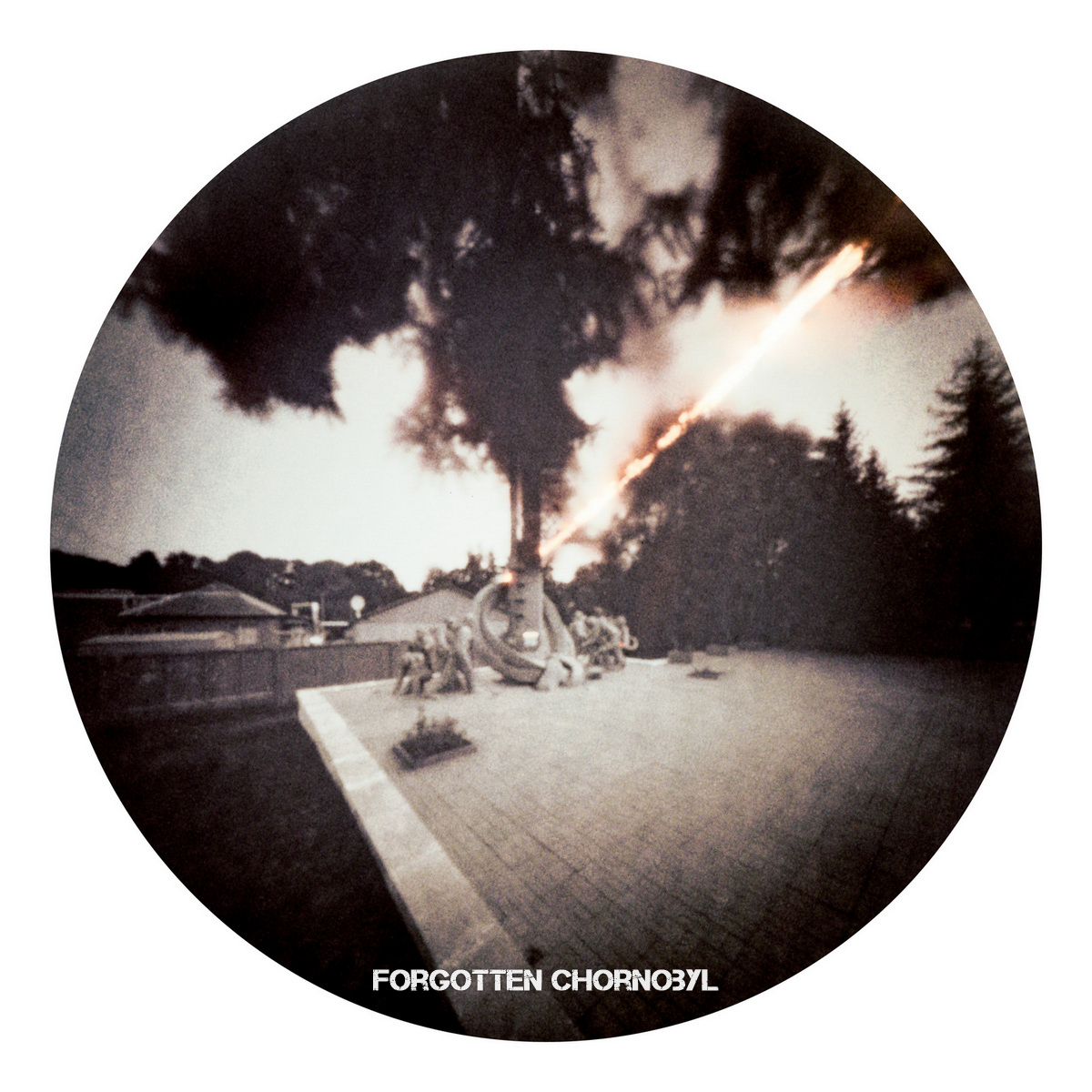
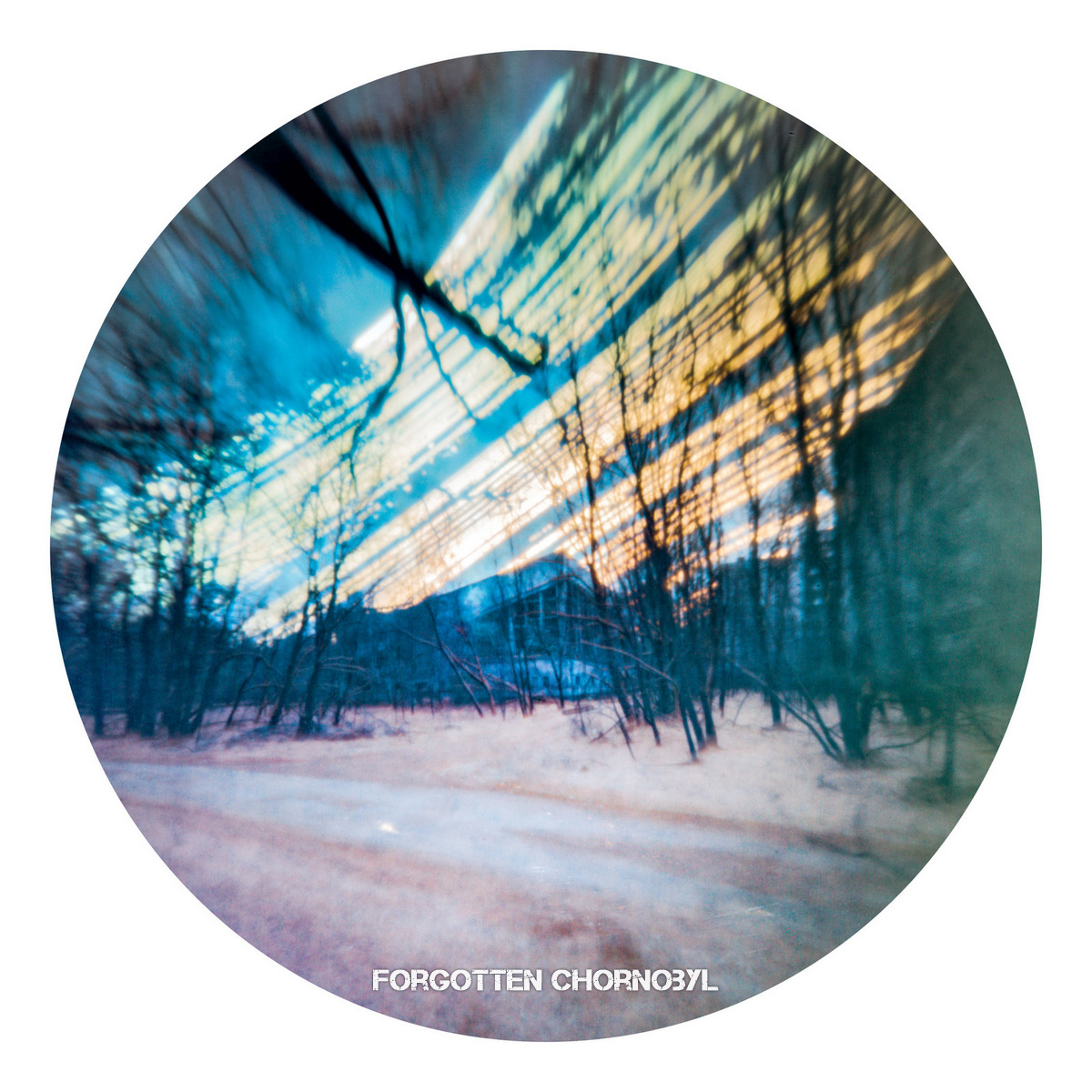
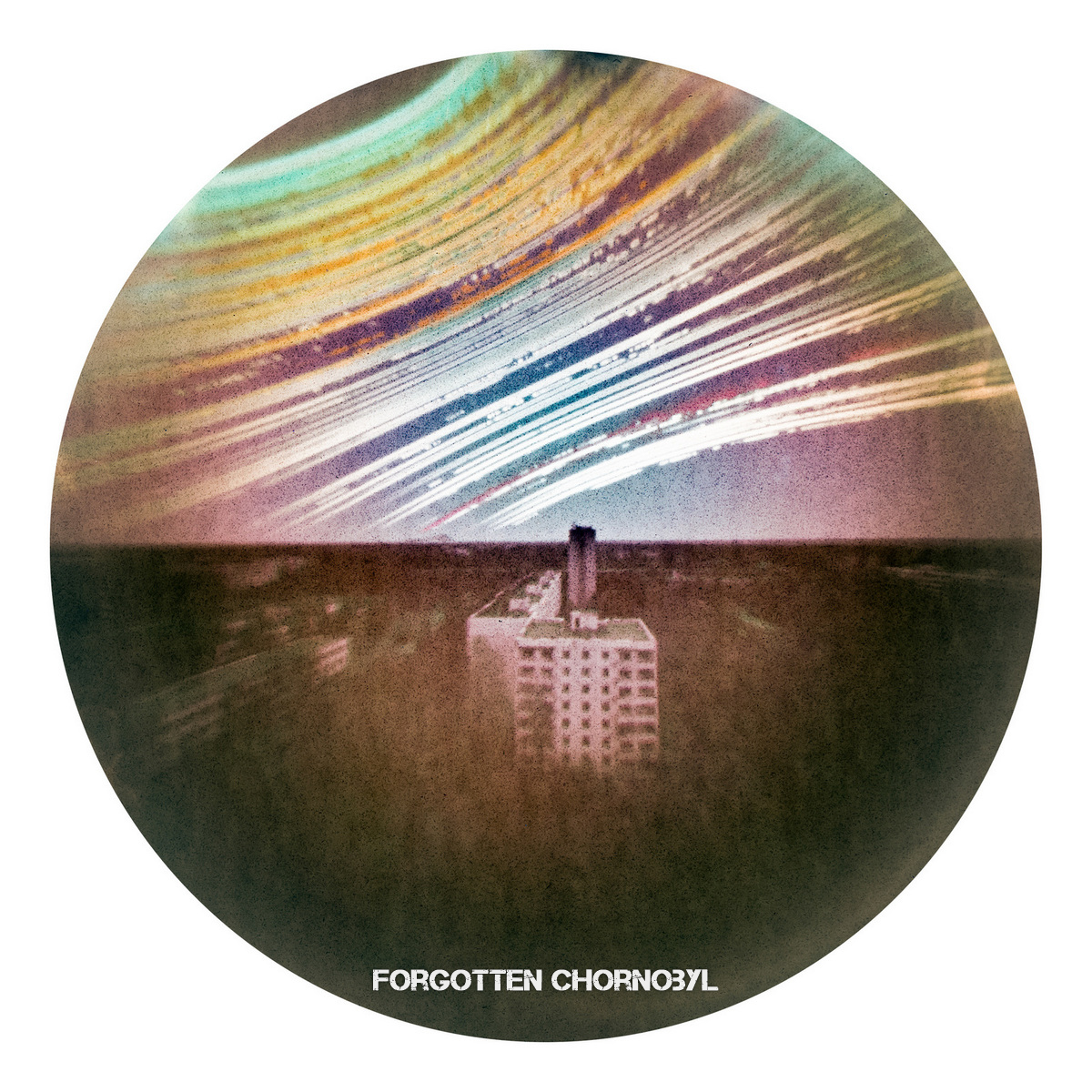
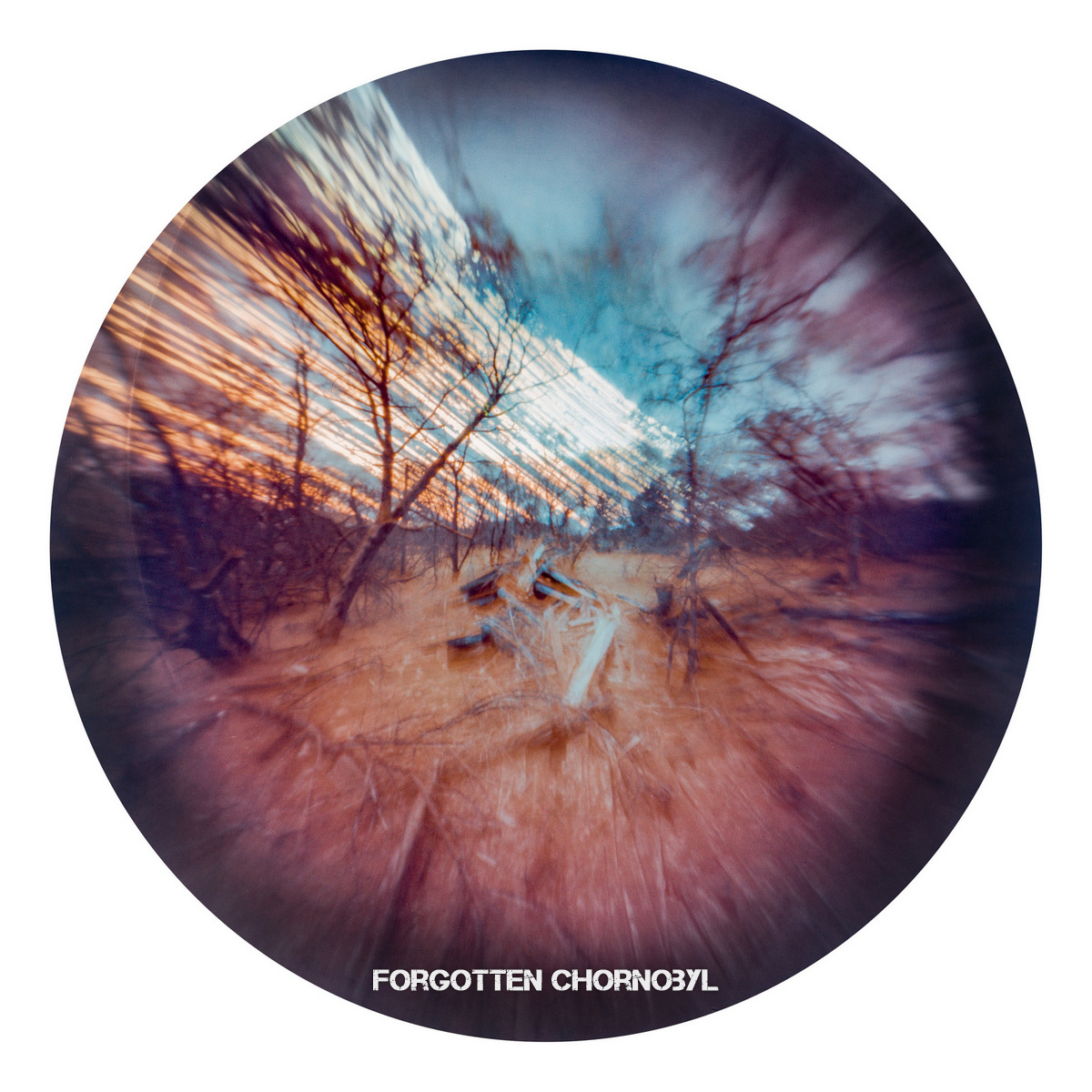
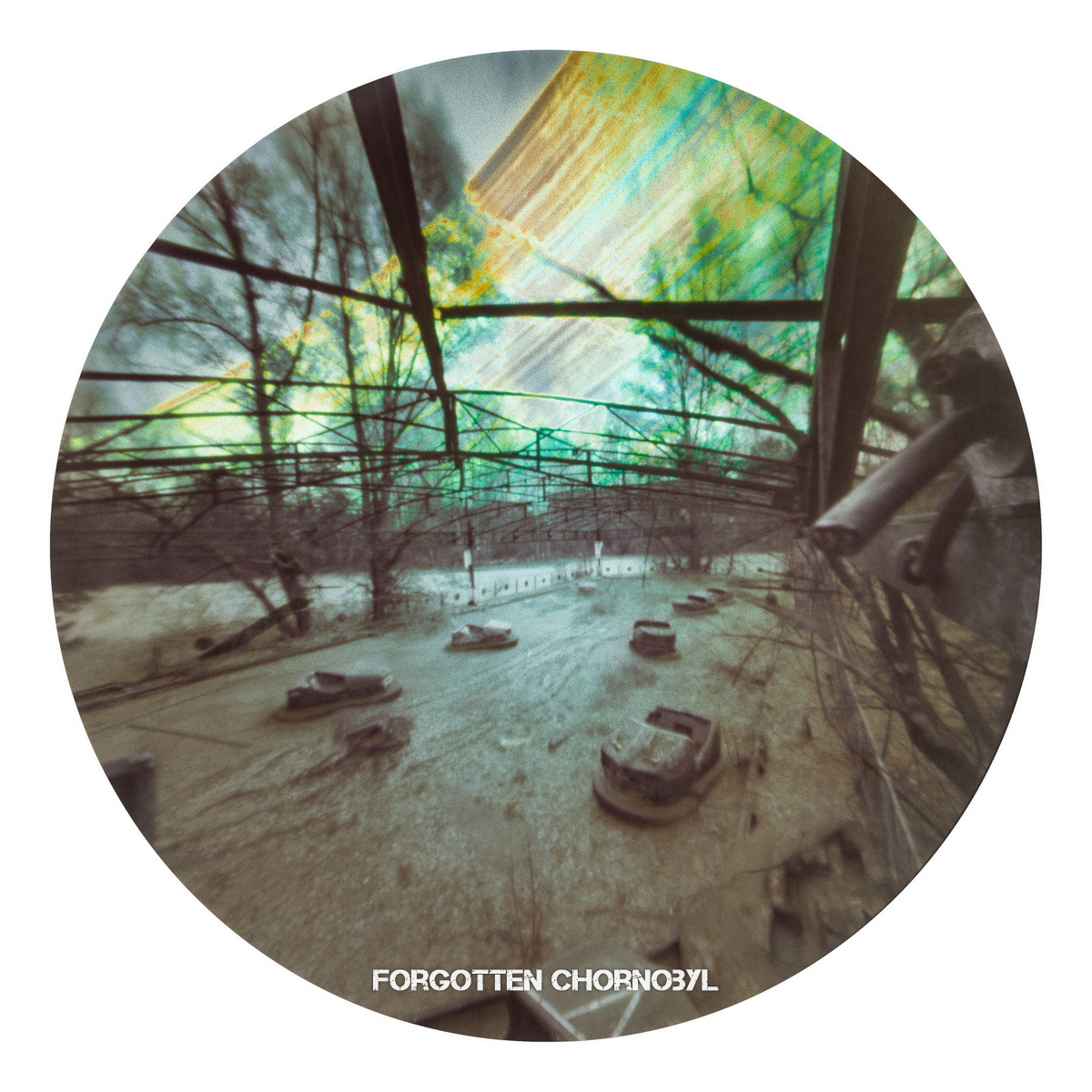
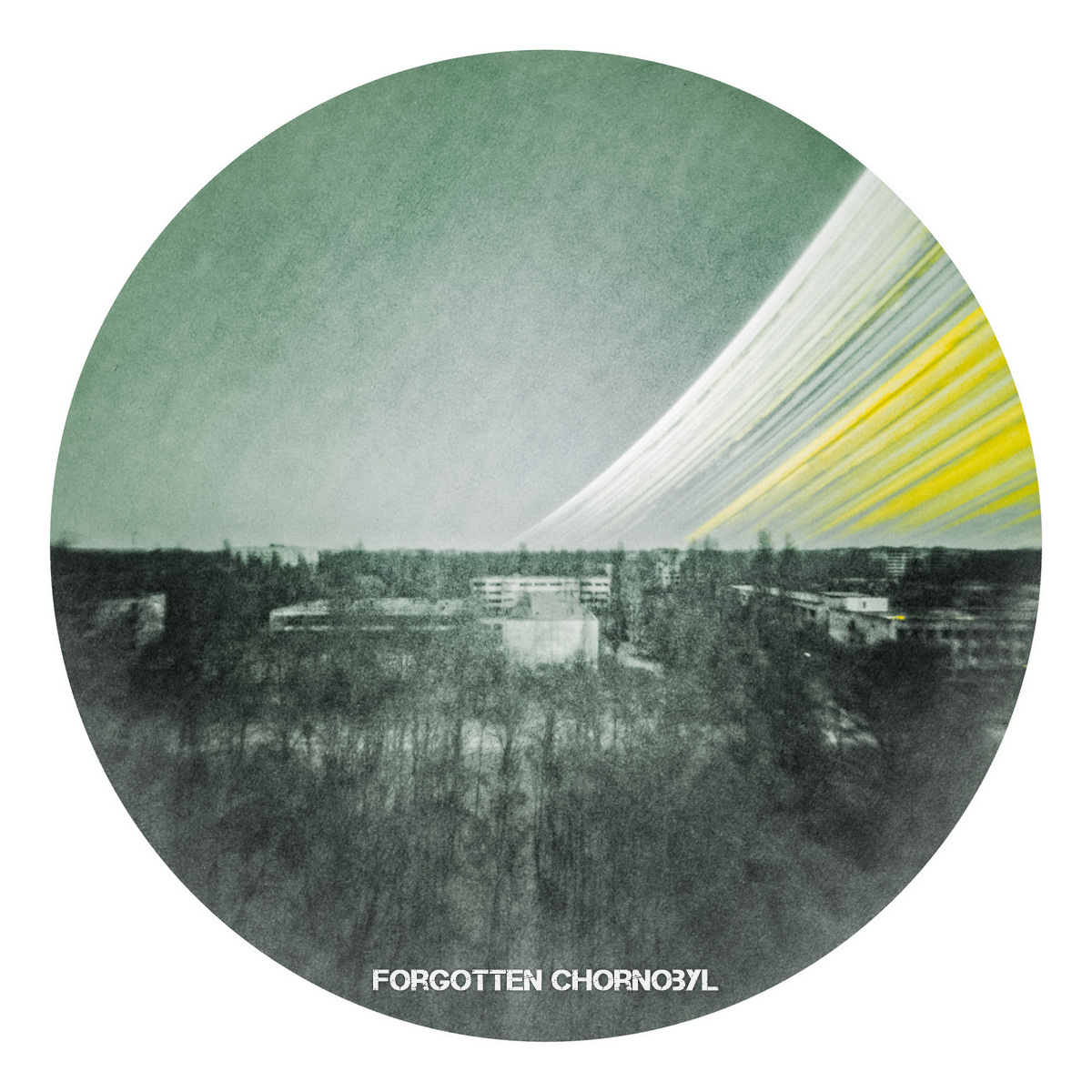
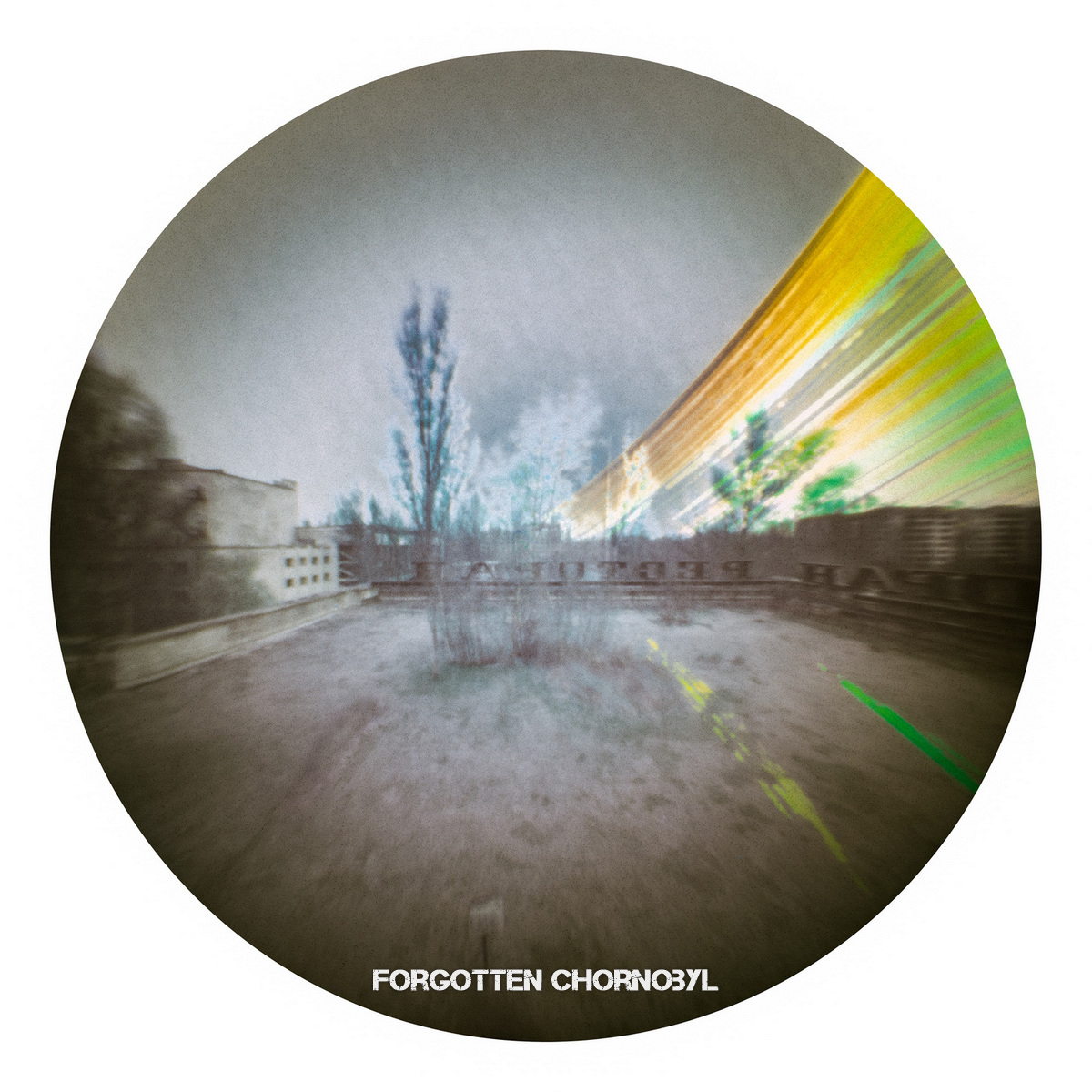
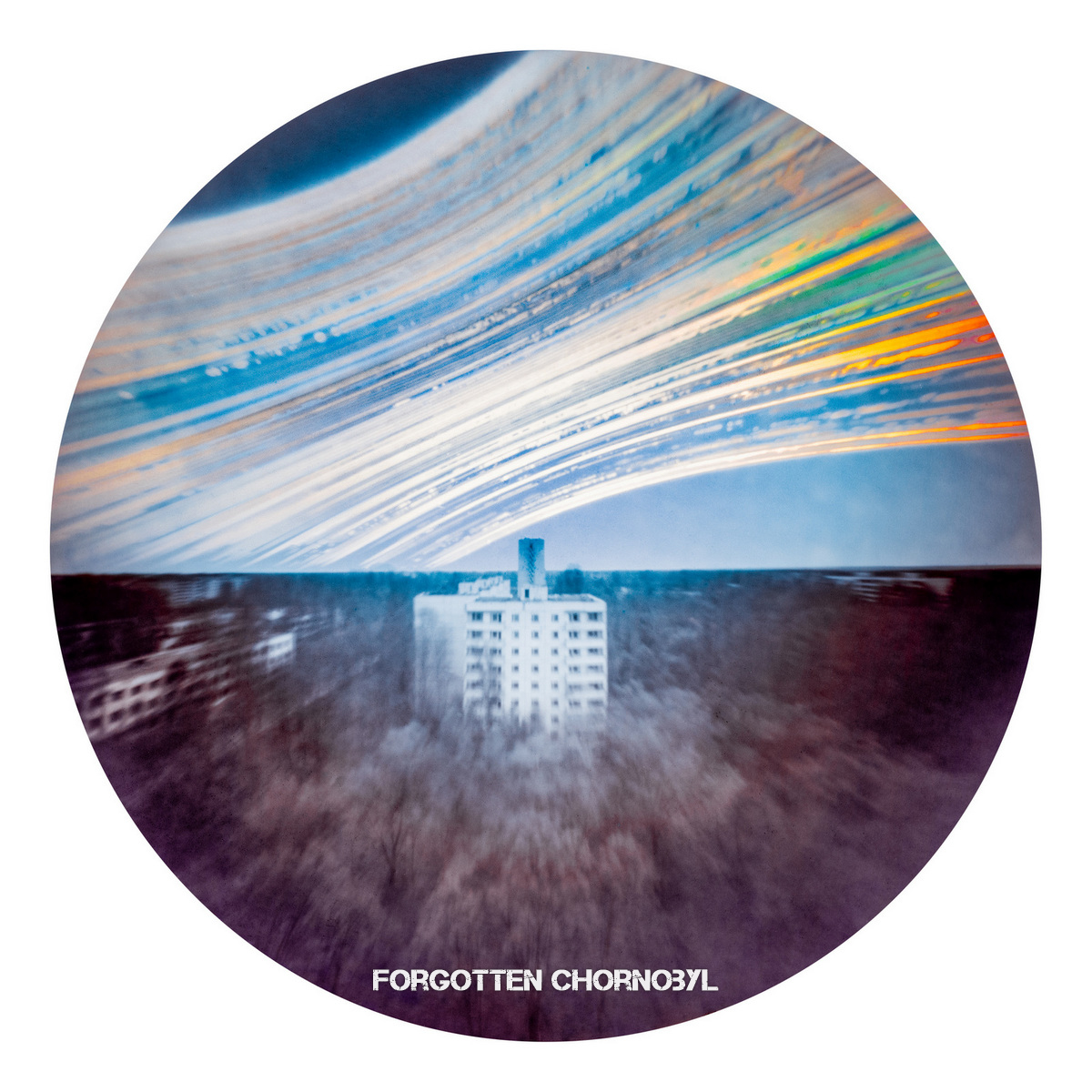
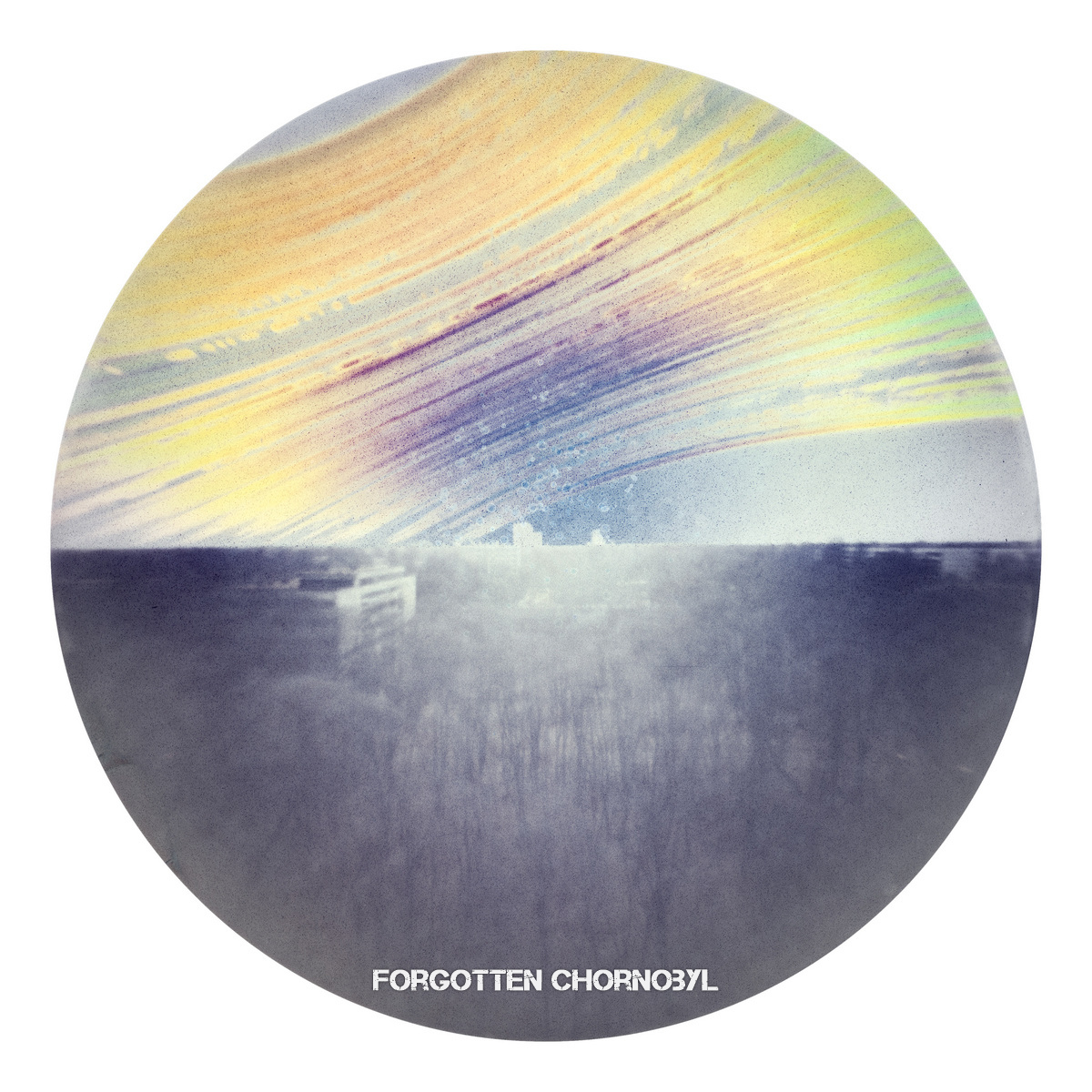
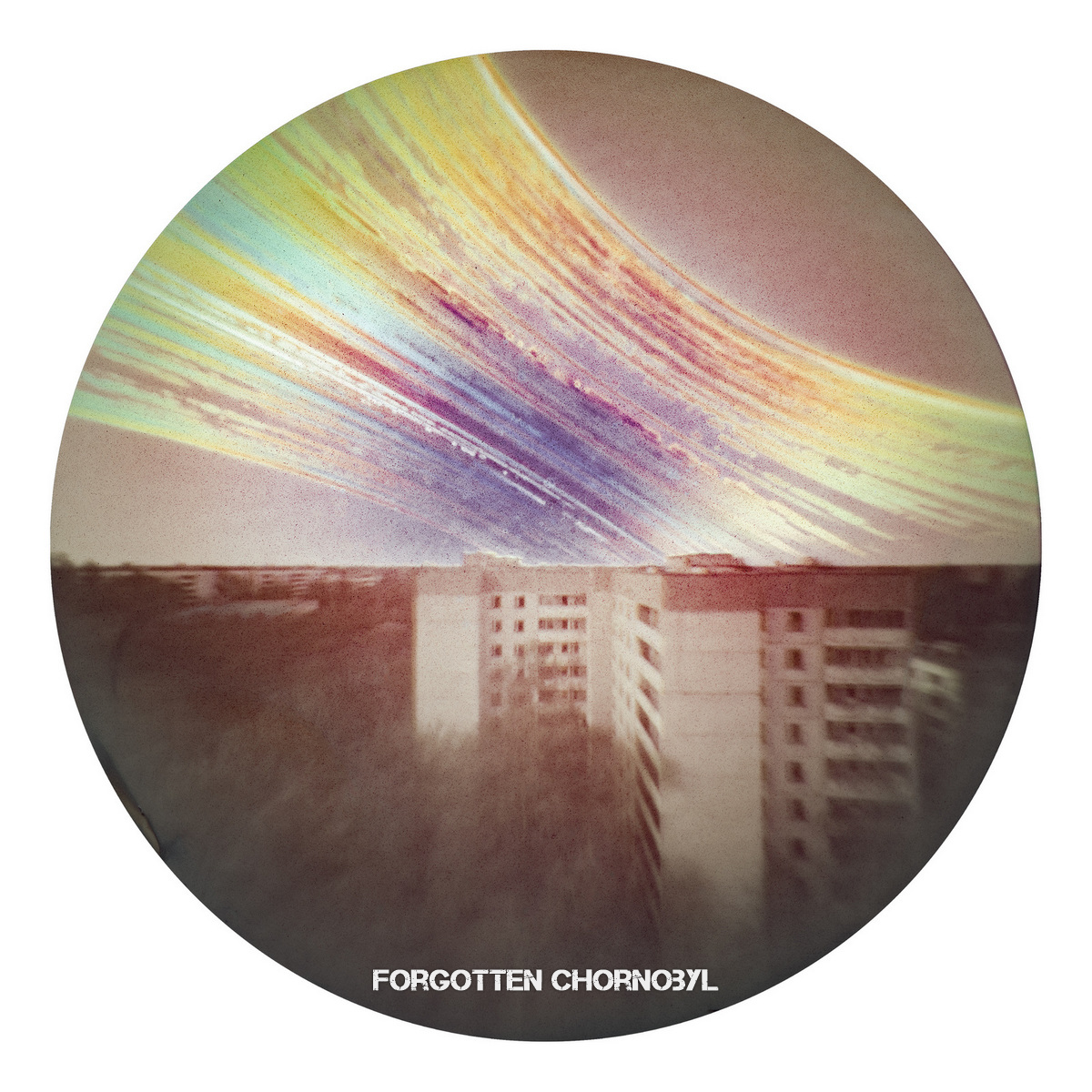
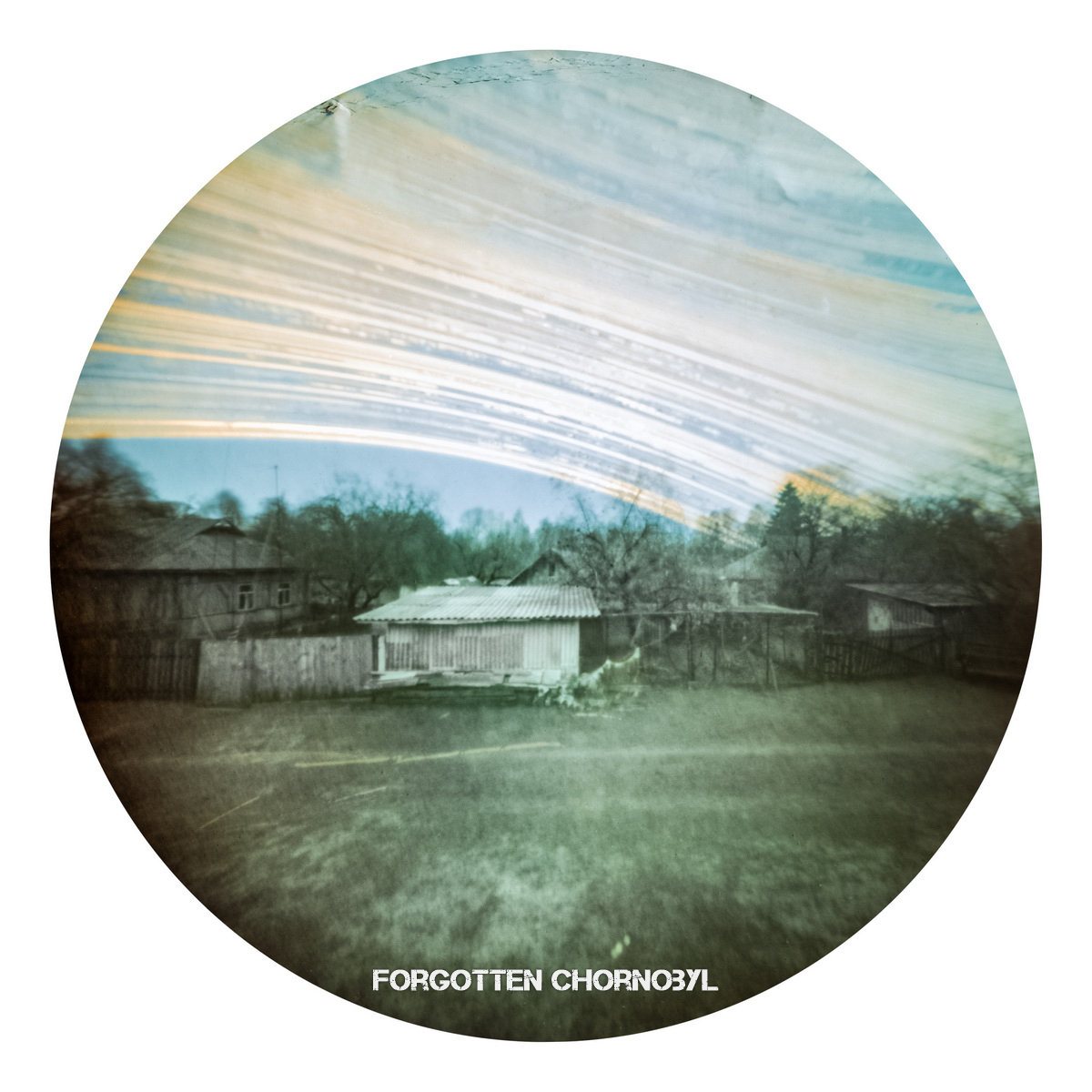
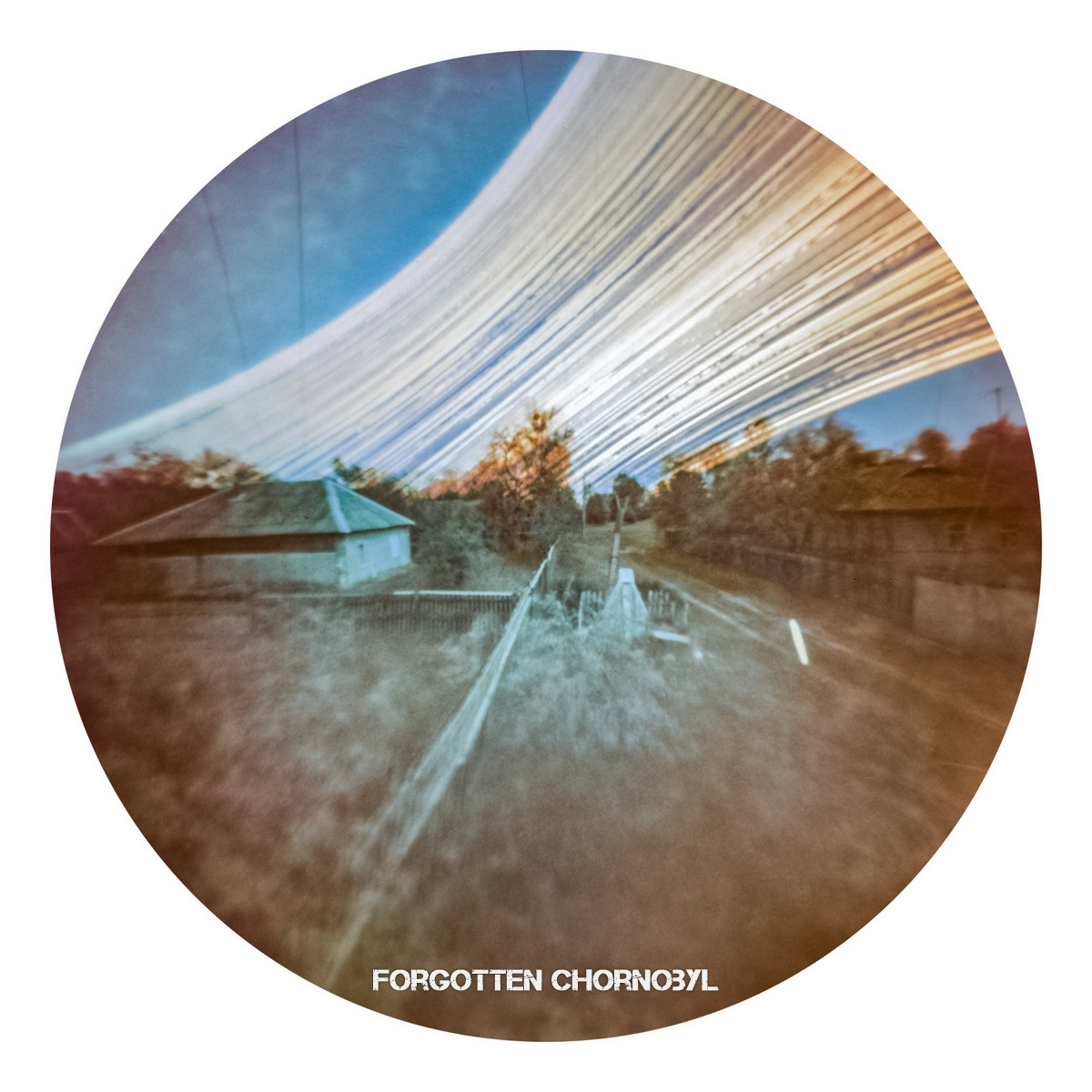
Solargraphy, a photographic technique using simple pinhole cameras and ultra-long exposures to record the sun’s passage across the sky, allowed me to leave a part of myself in the Zone and experience it beyond our perception.
To capture this sense of change unfolding regardless of our presence, I built dozens of cameras, drilled tiny pinholes by hand, loaded them with photosensitive papers, and left them across the Chernobyl Exclusion Zone for months, sometimes years.
Many were lost, damaged, or removed — some by security, some possibly by curious tourists, and others destroyed during military searches in the aftermath of Russia’s 2022 invasion of Ukraine.
A few of my cameras survived this difficult period and remained in Pripyat during the Russian occupation of the Chernobyl Nuclear Power Plant in 2022. Their exposures unintentionally recorded events of 24 February 2022 through sun trails marking that exact period. Exactly 65 days after the winter solstice — the sun’s lowest point on the horizon — the Exclusion Zone’s history was once again changed forever.
What began as a small side project intended as a creative exploration developed into exhibitions in the UK, Poland, and Germany — a reception I never imagined at this scale.
I was able to recover some of these images during humanitarian aid trips, and thanks to my friends, some of whom have been supporting this project since the very beginning. I am forever grateful for your help and for believing in me.
If you would like to support my work and have a piece of Chernobyl’s history in your home, a selection of prints is available in the Shop — click here to see the collection.


Be First to Comment